Find more funding
There are many other organisations who may be offering funding that will help you, and our handy funding search tool brings them all together.
An ambitious plan to prevent, detect, eliminate and control new and existing invasive non-native species (INNS) has been published by NatureScot
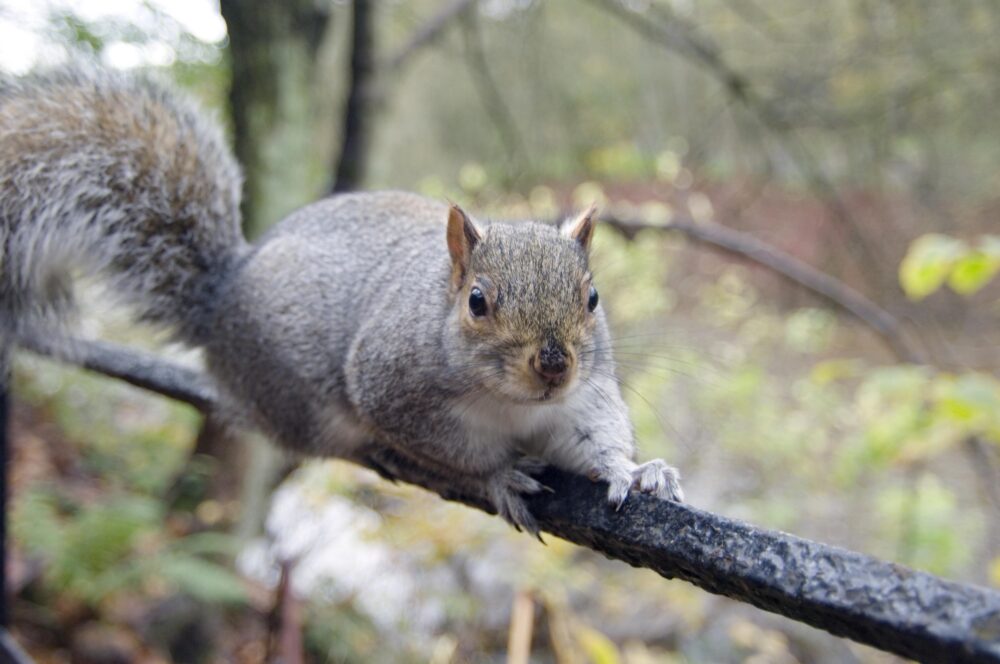
INNS are a major cause of nature loss in Scotland, including substantial reductions of some seabird populations and rare woodland lichens. Globally, INNS have contributed to 60% of recorded extinctions on islands. In Scotland, INNS are increasing on land and in freshwater and seas, affecting important ecosystems like islands, temperate rainforests and peatlands, and iconic species such as puffins, water voles and red squirrels.
They also affect Scotland’s economy. INNS are estimated to cost the country at least £500 million a year. Many of these costs are shouldered by agriculture and forestry, as well as by the construction, tourism and transport industries. As well, INNS can also act as vectors and hosts for the spread of diseases, increasing the risks to human, animal and plant health.
Climate change creates ideal conditions for INNS to spread – and INNS can amplify the effects of climate change. For example, climate change effects add to the pressures on breeding seabird populations already struggling with invasive brown rats eating their eggs, while INNS plants like Himalayan balsam make riverbanks more vulnerable to erosion from flooding.
To tackle these serious impacts, the new INNS action plan, which is a key element of the Scottish Biodiversity Delivery Plan, sets targets to reduce the rates of new and established INNS by at least 50% compared to 2000 levels, as well as to eradicate or control INNS in priority sites such as islands.
Cabinet Secretary for Climate Action and Energy Gillian Martin said:
“Invasive non-native species are one of the five most important direct drivers of biodiversity loss in Scotland, therefore work to tackle them and ensure our important land, freshwater and marine environments are protected for years to come, is absolutely vital.
“Our INNS Action Plan will complement our Scottish Biodiversity Strategy, setting out the actions we are pursuing to control and eradicate them.
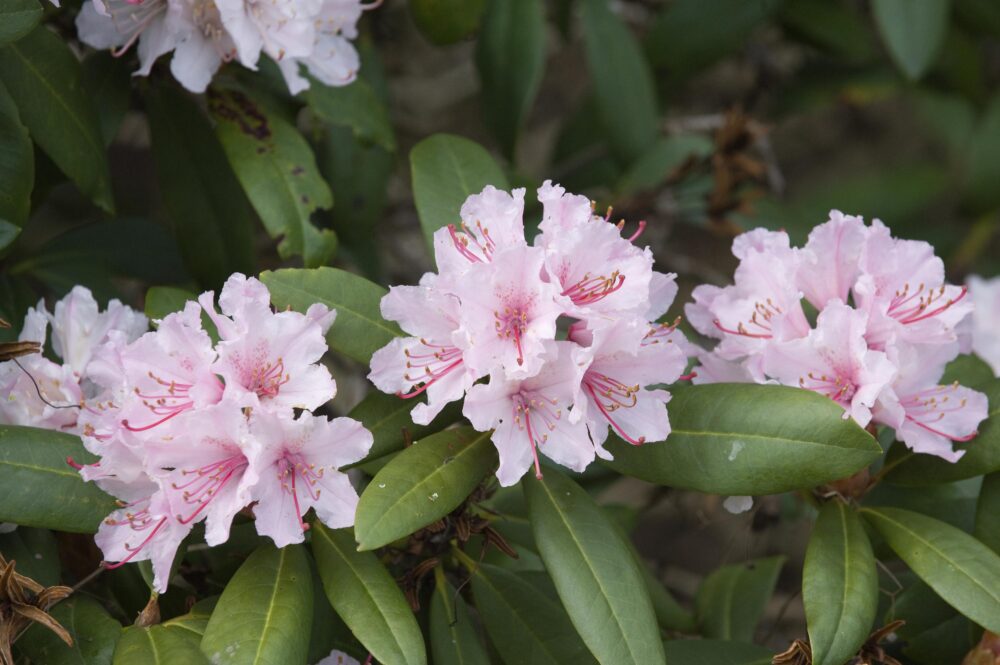
“We are also funding a number of large-scale projects to control invasive non-native species through our Nature Restoration Fund as well as developing a range of measures aimed at tackling established INNS such as rhododendron, whose spread is a major threat to native woodlands, including our Atlantic Rainforest.”
NatureScot Chair, Dr Colin Galbraith, said:
“Invasive, non-native species have an enormous effect on Scotland’s nature. They contribute to the climate emergency and are one of the biggest threats to Scotland’s spectacular native wildlife. It’s crucial we work together to stop their spread, and this action plan lays out a roadmap to do just that. There has already been great work by projects such as the Scottish Invasive Species Initiative and Peatland ACTION, but we need to step up the pace even more to keep Scotland’s nature healthy and able to deal with the effects of climate change.
“The priority for tackling INNS is preventing their introduction and spread in the first place. This is more cost effective and less environmentally damaging than tackling invasions once they have happened. We all have a responsibility to help stop the spread, whether it’s checking your boat or avoiding planting INNS in your garden – every action counts.”
Many organisations are already working to tackle INNS, include the Alliance for Scotland’s Rainforests and others working to restore Scotland’s remaining temperate rainforest by eradicating rhododendron ponticum in west coast forests; the partnership working to remove stoats from Orkney; and NatureScot’s work to remove mink from the Outer Hebrides. These eradication projects on Scottish islands are world-leading in their ambition and scale. Others are working to raise public awareness and change behaviours through initiatives such as the Check Clean Dry campaign for water sports and Be Plant Wise for gardeners. More than 2,500 land managers and local volunteers are already monitoring, reporting, and controlling invasive species through the Scottish Invasive Species Initiative and Saving Scotland’s Red Squirrels.
Read the INNS action plan here.
There are many other organisations who may be offering funding that will help you, and our handy funding search tool brings them all together.