Find more funding
There are many other organisations who may be offering funding that will help you, and our handy funding search tool brings them all together.

New strategy puts rural and island communities at the heart of Scotland’s climate and nature ambitions.
The Scottish Government’s new Public Engagement Strategy for Climate and Nature aims to ensure people across the country have more opportunities to influence climate policies, take part in local projects and help shape solutions that reflect the needs of their communities.
The strategy recognises that while climate change is a national and global challenge, its impacts are often felt most directly at a local level. For rural and island areas, this includes issues such as coastal erosion, flooding, extreme weather, biodiversity loss and changing pressures on land, marine and food-producing sectors.
By supporting greater community involvement, the strategy seeks to help people better understand climate and nature challenges while encouraging practical action that delivers local benefits. A delivery plan, due in spring 2027, will set out the partnerships, activities and commitments that will bring the strategy to life.
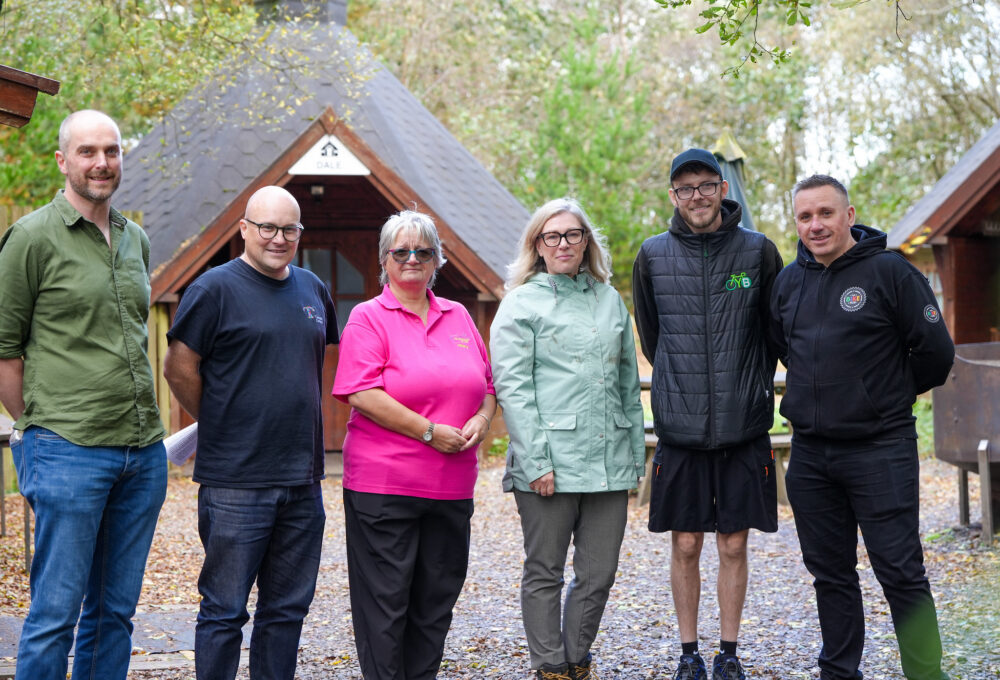
Cabinet Secretary for Climate Action and Rural Affairs Gillian Martin launched the strategy ahead of a visit to Lapwing Lodge Outdoor Centre in Paisley to view Scottish Government-backed environmental improvements including solar panels, battery storage and an EV charging point funded through Community Led Local Development (CLLD) funding.
The announcement comes during Scotland’s Climate Week and builds on growing public concern about climate change. The Scottish Government says the new approach will help translate that concern into meaningful participation and ensure communities have a stronger voice in decisions that affect their future.
Climate Action and Rural Affairs Secretary Gillian Martin said:
“Everyone has a part to play in tackling the twin crises of climate change and biodiversity loss. Everyone also stands to benefit from doing so. People and communities are central to this, not just by making their own lives more sustainable, but by helping shape the solutions that work best for their local areas.”
She added:
“This strategy is about turning that opportunity into action, and that means giving people a real say in the decisions that affect them.”
The strategy is particularly relevant for Scotland’s rural and island communities, where local knowledge, community-led innovation and strong place-based networks already play an important role in responding to environmental challenges.
From community energy projects and habitat restoration initiatives to flood resilience measures and sustainable transport solutions, many rural and island areas are already demonstrating how local action can contribute to national climate goals. The new strategy aims to build on that momentum by ensuring communities are supported, informed and empowered to help shape future policy and investment.
With climate impacts becoming increasingly visible across Scotland, the strategy reinforces the importance of local voices in creating resilient, thriving communities and delivering a just transition to a net zero future.
There are many other organisations who may be offering funding that will help you, and our handy funding search tool brings them all together.