Find more funding
There are many other organisations who may be offering funding that will help you, and our handy funding search tool brings them all together.

Collaborative project opens 1.6km of river for salmon, eel and trout while enhancing climate resilience.
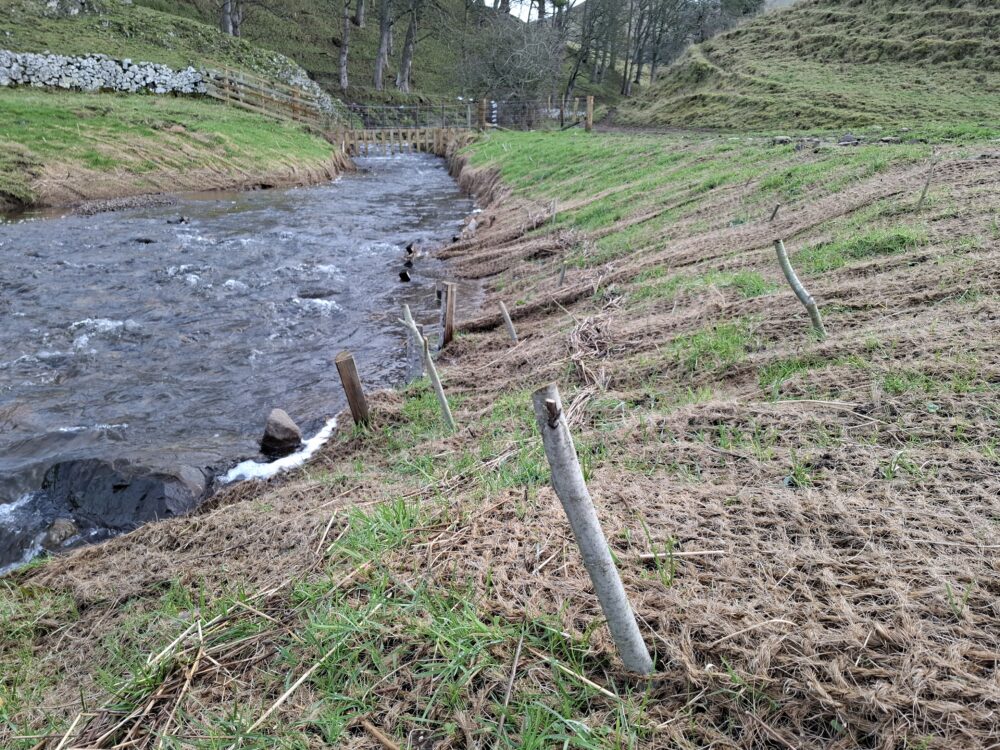
The project was directly commissioned by the Scottish Environment Protection Agency’s (SEPA) Water Environment Fund and completed in February 2026.
The project on the Halter Burn at Yetholm Mains farm near Kelso was designed to help boost populations of fish such as the endangered Atlantic salmon, critically endangered eel, along with sea trout and lamprey. Removing the old weir also offers resilience to climate change by allowing the river to naturally adapt to changing flows and gives fish populations more of a chance of survival.
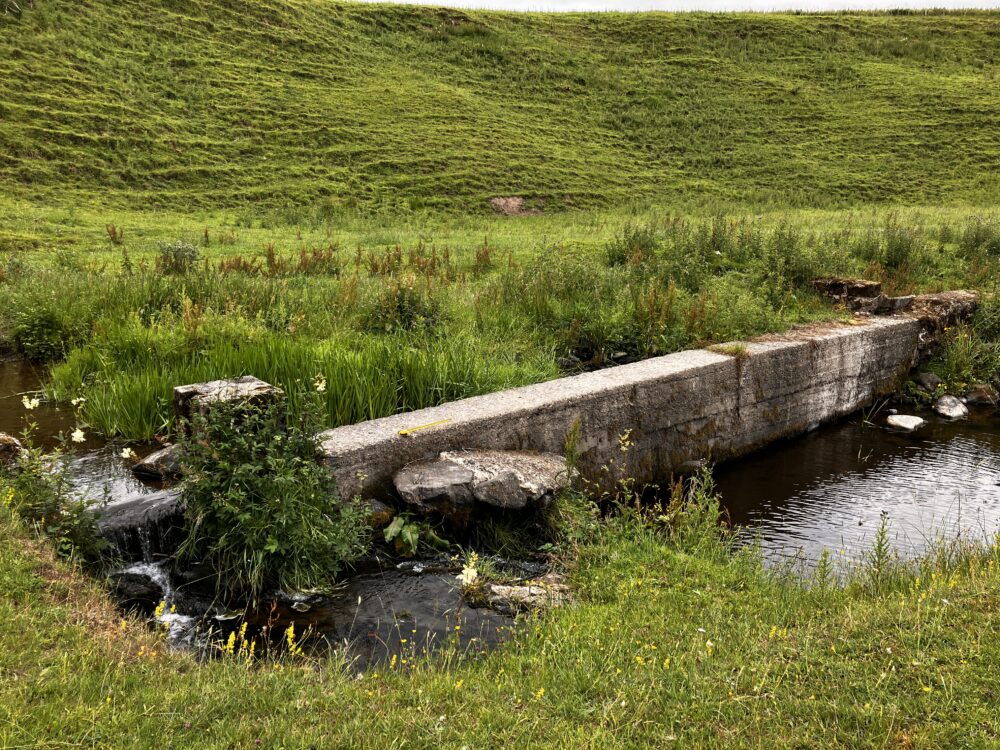
Historically, the weir was understood to have fed water to a mill building and latterly farm buildings to supply stock, but it has since lay disused for decades, preventing fish accessing good quality habitat upstream.
Enabling fish passage at this weir was an objective of Scotland’s River Basin Management Plan (RBMP 2021-2027). By removing the weir, it will continue to help improve the overall condition of the river as well as supporting the Scottish Wild Salmon Strategy.
Complete weir removal was chosen as the most ecologically sound option, meaning lower carbon emissions and a permanent remedy for fish migration, that does not require ongoing maintenance. Great care was also taken to manage the risk of pollution to the water environment during the removal.
As part of the project completion, over 300 trees were planted in the Halter Burn catchment providing enhanced biodiversity and shading for fish, as well as offsetting the groundworks emissions of CO2.
SEPA’s Project Officer Francis Hayes said:
“It’s hugely satisfying to see the removal of fish barriers which for decades have not only prevented fish from accessing thriving habitat but can also block other river wildlife too.
“To see what migratory species will benefit from their newly acquired habitat upstream is exciting as well as the restoration of natural river processes that have been long neglected.
“It seems only right that less than a stone’s throw away from this project long distance travellers conclude their Pennine Way adventure, much like the fish we are helping to return home after their own lengthy journeys spent at sea.”
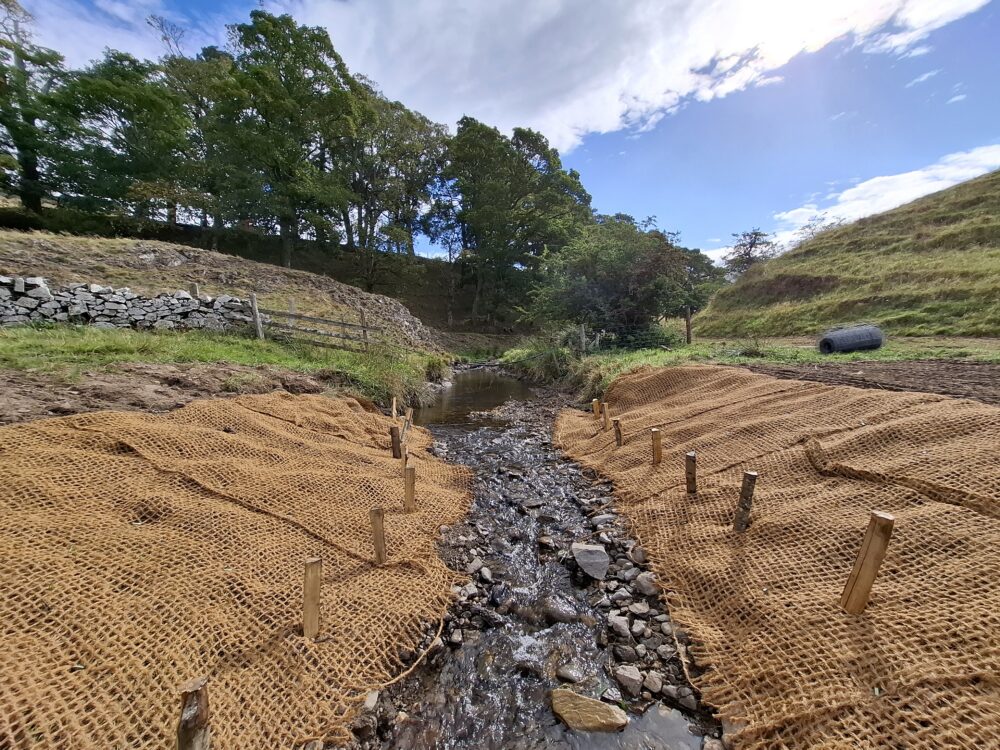
SEPA administers the Water Environment Fund on behalf of Scottish Government and works in partnership with local authorities, land and structure owners, fishery trusts and conservation bodies to deliver an annual programme of river restoration projects.
While the condition of rivers and lochs in Scotland is generally classified as good by SEPA, many environmental challenges remain. One challenge is historical and physical alterations to rivers in Scotland.
The Water Environment Fund delivers projects which will derive the greatest benefit to Scotland’s rivers and neighbouring communities.
Find out more information about the Water Environment Fund (WEF).
Find out more information about River Basin Management Planning (RBMP).
There are many other organisations who may be offering funding that will help you, and our handy funding search tool brings them all together.