Find more funding
There are many other organisations who may be offering funding that will help you, and our handy funding search tool brings them all together.

From Spain to Bulgaria, Europe’s vultures are making an encouraging comeback, restoring a vital link in natural food webs.
Vulture populations are returning to landscapes across Europe after decades of decline, with conservation, reintroduction and rewilding efforts helping some species breed again in areas where they have been absent for generations.
Two centuries ago, four native vulture species, the griffon, cinereous, Egyptian and bearded vulture, were widespread across central and southern Europe. Habitat loss, declining food availability, persecution and poisoning subsequently caused populations to collapse across much of their former range. By the 1960s, Spain had become a key European refuge, but even there only around 2,000 pairs of griffon vultures and 200 pairs of cinereous vultures remained.
Today, the picture is considerably brighter. “Rewilding Europe” reports that Spain’s populations have risen to around 36,500 pairs of griffon vultures and 2,550 pairs of cinereous vultures, while protection, natural recolonisation and reintroduction programmes are supporting recovery elsewhere.
There has been particularly encouraging news in 2026. Cinereous vultures have successfully bred again in both the Rhodope Mountains and Iberian Highlands rewilding landscapes. In Bulgaria’s Rhodope Mountains, chicks hatched for the first time in more than 30 years following a reintroduction programme that began releasing birds in 2022. In Spain’s Iberian Highlands, chicks also hatched in 2026, the first recorded there for around a century.
Efforts are expanding elsewhere. In March 2026, 25 griffon vultures from Spain arrived in Italy’s Central Apennines as the first stage of a three-year reinforcement programme aiming to release around 60 birds. Preparations are also under way to return griffon and cinereous vultures to Romania’s Southern Carpathians, while the reintroduction of bearded vultures to the Iberian Highlands is planned for 2027.
The vultures’ recovery is important for more than biodiversity. As specialist scavengers, they consume and recycle animal carcasses, helping natural food webs to function and potentially limiting the spread of pathogens. Restoring populations of wild herbivores, together with making more naturally occurring carrion available, is therefore an important part of the wider effort to support vultures.
Conservation work also includes anti-poisoning patrols using specially trained dogs, GPS tracking to understand the birds’ movements and threats, supplementary feeding, artificial nesting sites, and engagement with local communities. Illegal poisoning remains one of the most serious threats facing vultures and other scavengers in Europe.
The progress demonstrates what sustained conservation action can achieve. However, “Rewilding Europe” stresses that the recovery is not yet complete. Continuing to reduce threats, restore natural food webs and reconnect populations will be important if these impressive scavengers are to reclaim more of their historic European range.
Find put about rewilding in Scotland here: Home – The Scottish Rewilding Alliance
Read the original article: The return of Europe’s vultures | Rewilding Europe
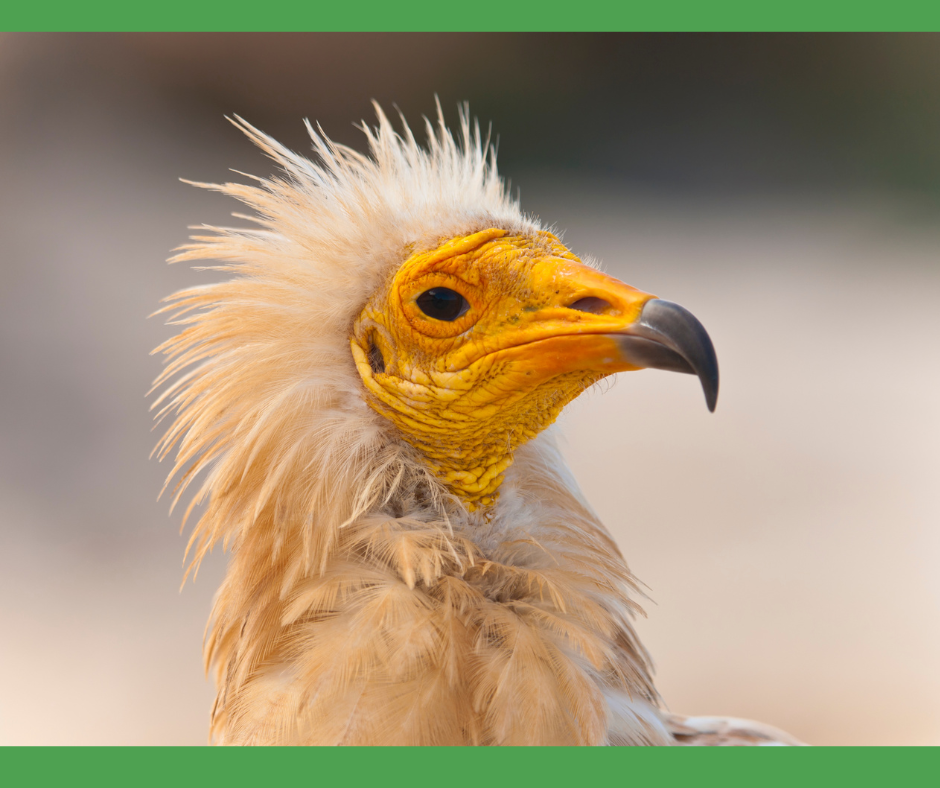
Main image: Egyptian Vulture. Credit: Canva
There are many other organisations who may be offering funding that will help you, and our handy funding search tool brings them all together.