Find more funding
There are many other organisations who may be offering funding that will help you, and our handy funding search tool brings them all together.

As devastating wildfires force mass evacuations across Europe, the UN warns that prevention remains the strongest defence against a growing climate-driven threat.
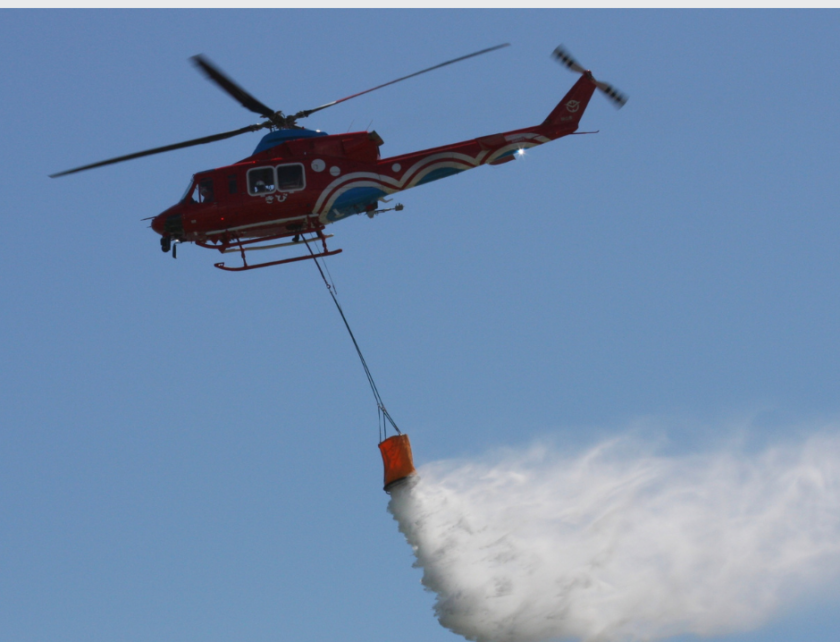
However, while Scottish incidents have attracted national attention, the wider picture across Europe is even more alarming, with major blazes forcing mass evacuations in Spain and France and prompting fresh warnings from the United Nations about the impact of climate change on wildfire risk.
According to the World Health Organisation (WHO), the amount of land burned by wildfires across its European region increased by 57% between 2022 and 2025, rising from 1.4 million hectares to 2.2 million hectares. The sharp increase reflects a trend of hotter, drier conditions across many parts of the continent.
Spain and France have been among the countries hardest hit this year. Near Madrid, wildfires prompted the evacuation of around 10,000 people, while in southern France approximately 63,000 residents were forced to leave their homes as multiple fires spread rapidly through affected areas. Authorities have described some of the recent blazes as among the most severe in recent decades.
The United Nations Economic Commission for Europe (UNECE) says the fires highlight an urgent need for greater preparedness and prevention. More than 434,000 hectares had already burned across Europe by late July 2026, while countries including Greece and Italy are also facing heightened risks as heat, drought and strong winds continue across the region.
UN officials warn that wildfire is becoming an increasingly predictable consequence of a warming climate. Rising temperatures, prolonged droughts, more frequent heatwaves and changing rainfall patterns are extending wildfire seasons and increasing the likelihood of severe fires in areas that were previously considered lower risk.
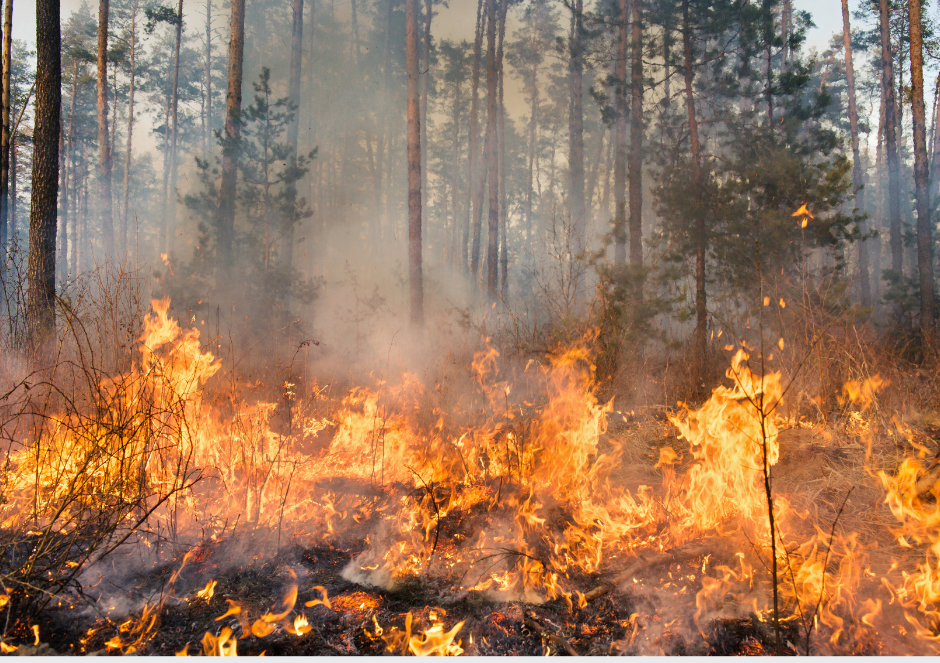
Paola Deda, Director of UNECE’s Environment and Forests Division said:
“Every summer reminds us that wildfire is no longer an exceptional event but an increasingly predictable consequence of a warming climate,”
“While emergency response remains essential, our greatest opportunity lies in prevention, sustainable forest management and building more resilient landscapes and communities.”
The economic cost is also substantial. UNECE estimates that wildfires cost the European Union around €2.5 billion annually through infrastructure damage, loss of tourism revenue and wider economic disruption. Meanwhile, fires release large quantities of carbon dioxide, creating a feedback loop whereby climate change increases wildfire risk and wildfires themselves contribute to further warming.
Despite the scale of the challenge, the UN argues that many fires can be prevented. Around nine in ten wildfires are caused by human activity, whether through negligence or deliberate actions. UNECE is calling for greater investment in prevention measures, sustainable land and forest management, early-warning systems, public awareness campaigns and climate adaptation to reduce future losses.
There are many other organisations who may be offering funding that will help you, and our handy funding search tool brings them all together.