Find more funding
There are many other organisations who may be offering funding that will help you, and our handy funding search tool brings them all together.

Marine wildlife specialists are examining evidence of a potential killer whale sighting as the public is called upon to help confirm the record.
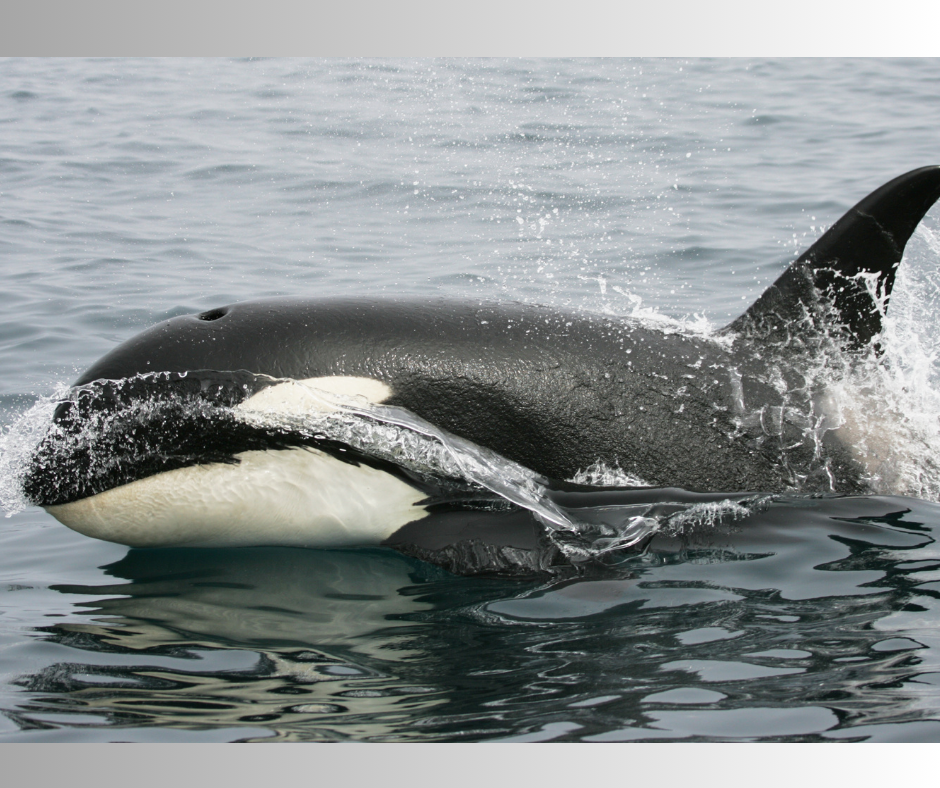
The preliminary images show similar markings characteristic of an orca, including black-and-white colouration, its iconic white eye-patch and a white chinstrap. The Sea Watch Foundation is now urgently appealing to local beachgoers, photographers, and boat operators for any additional supporting images or video footage from the surrounding area to help formally confirm the sighting.
According to the Sea Watch Foundation database, confirmed observations of orcas along the east coast of England are very rare, but recently this may be changing. There have been multiple recent records further north around Northumberland’s Farne Islands where they used to be seen regularly decades ago, and an offshore sighting approximately 30 miles east of Hornsea in May. Nevertheless, a record this close to the Cleveland and North Yorkshire coast would be a first for the area.
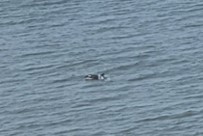
Jim Hartnett, lead volunteer of the Cetacean Recording Group for Tees Valley Wildlife Trust, who was among the first to review the images provided by photographer Paul C, shared his thoughts:
“It was a brilliant day all round with so many people enjoying the sea and the local area. The joy of everyone watching the bottlenose dolphins was a delight. This potential orca sighting is so exciting, and people love the idea of having these magnificent cetaceans around this stretch of the UK coast!”
Paul C, photographer, expressed his excitement:
“While I was walking along the cliff top in Saltburn, I had spotted a large pod of bottlenose dolphins. I then saw a large animal swimming close to the shore, so I grabbed my phone and watched as it surfaced before disappearing. The bottlenose dolphins had scattered and after sharing images it was suspected that it could have been an orca! It was such a magical and completely unexpected sighting! Despite having travelled the world – from Scotland and New Zealand to South Africa and the Galapagos – specifically to spot marine life, I felt so honoured and privileged to witness such an elusive creature along the wonderful northeast coastline.”
Coming during the 25th-anniversary milestone of the National Whale and Dolphin Watch, hosted annually by the Sea Watch Foundation, this event underscores the vital role that local communities play in marine conservation. The nine-day nationwide event creates a comprehensive snapshot of UK marine life, tracking the distribution and movements of whales, dolphins, and porpoises. Incidents like this highlight how invaluable citizen science and wildlife tourism are to expanding our scientific understanding of marine mammals.
Anyone who captured photographs or video footage of the “suspected orca” is urged to submit their media directly to the Sea Watch Foundation to aid in verification. Images can be sent to: sightings@seawatchfoundation.org.uk.
Members of the public can also contribute to ongoing marine conservation by logging their own sightings using the free Sea Watcher App, available now on iOS and Android.
To read more about the campaign and work of Sea Watch Foundation, please visit their website: www.seawatchfoundation.org.uk.
There are many other organisations who may be offering funding that will help you, and our handy funding search tool brings them all together.