Find more funding
There are many other organisations who may be offering funding that will help you, and our handy funding search tool brings them all together.

Plans to designate Skye and Raasay as Highland’s first Area of Linguistic Significance could strengthen Gaelic for future generations.
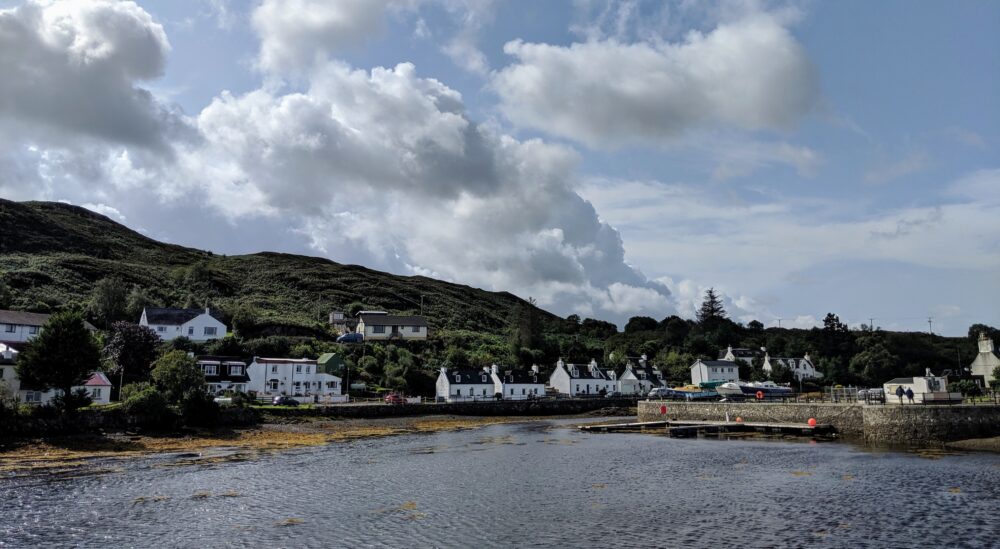
Highland Council has announced proposals to designate Skye and Raasay as its first ALS under powers introduced through the Scottish Languages Act. The designation would formally recognise the islands’ importance to Gaelic language and culture while helping to support the language’s continued use and growth within local communities.
The move follows the introduction of legislation that recognises Gaelic and Scots as Scotland’s official languages and provides new measures to support their development. Areas can qualify for ALS status where a significant proportion of residents have Gaelic language skills, or where there are strong historical and cultural connections to the language.
Skye and Raasay are widely regarded as among the strongest remaining Gaelic-speaking communities in the Highlands. According to census data, they are the only electoral ward within the Highland Council area where more than 20% of the population has Gaelic skills.
Highland Council’s Gaelic Committee believes the designation would demonstrate a clear commitment to the language while creating opportunities to strengthen its presence in daily life, education, community development and economic activity.
Councillor Drew Millar, Chair of Highland Council’s Gaelic Committee, said:
“Skye and Raasay has some of the strongest Gaelic-speaking communities in Highland, so it is fitting that they are the first area to be considered for designation as an Area of Linguistic Significance under the new legislation.”
He added:
“Community engagement is a key part of a process that will provide important opportunities to work closely with local people, organisations and partners to better understand how Gaelic is used today and how we can support its continued growth for future generations.”
The council is recruiting a Community Engagement Officer to help lead consultation and engagement activities with local residents and organisations.
Supporting Communities and Rural Development
Although primarily focused on language, the proposal has wider implications for rural communities.
Research and experience from Ireland’s Gaeltacht regions suggest that recognising areas of linguistic significance can generate benefits beyond language preservation. These include supporting local identity, attracting cultural tourism, creating employment opportunities, strengthening community resilience and improving educational provision.
For rural areas such as Skye and Raasay, Gaelic remains an important part of place, heritage and community identity. The language is woven into local history, landscapes and place names, helping connect people to their culture and environment.
Community organisations have already begun discussing how ALS designation could help strengthen Gaelic in everyday life. Ideas include supporting businesses to incorporate Gaelic more visibly, expanding opportunities for Gaelic-medium education, promoting local heritage and creating new opportunities for young people to learn and use the language.
Looking Ahead
The proposed designation forms part of a wider national effort to secure the future of Gaelic in the communities where it remains strongest. For Skye and Raasay, ALS status could provide a framework for local people, organisations and public bodies to work together in supporting the language and ensuring it continues to thrive.
As consultation progresses, communities across the islands will have opportunities to shape what the designation means in practice and identify the actions needed to support Gaelic speakers, learners and future generations.
For Scotland’s rural communities, the initiative highlights the growing recognition that language, culture and community development can play a vital role in creating sustainable and vibrant places to live and work.
There are many other organisations who may be offering funding that will help you, and our handy funding search tool brings them all together.