Find more funding
There are many other organisations who may be offering funding that will help you, and our handy funding search tool brings them all together.
Provisions to grow languages come into force.
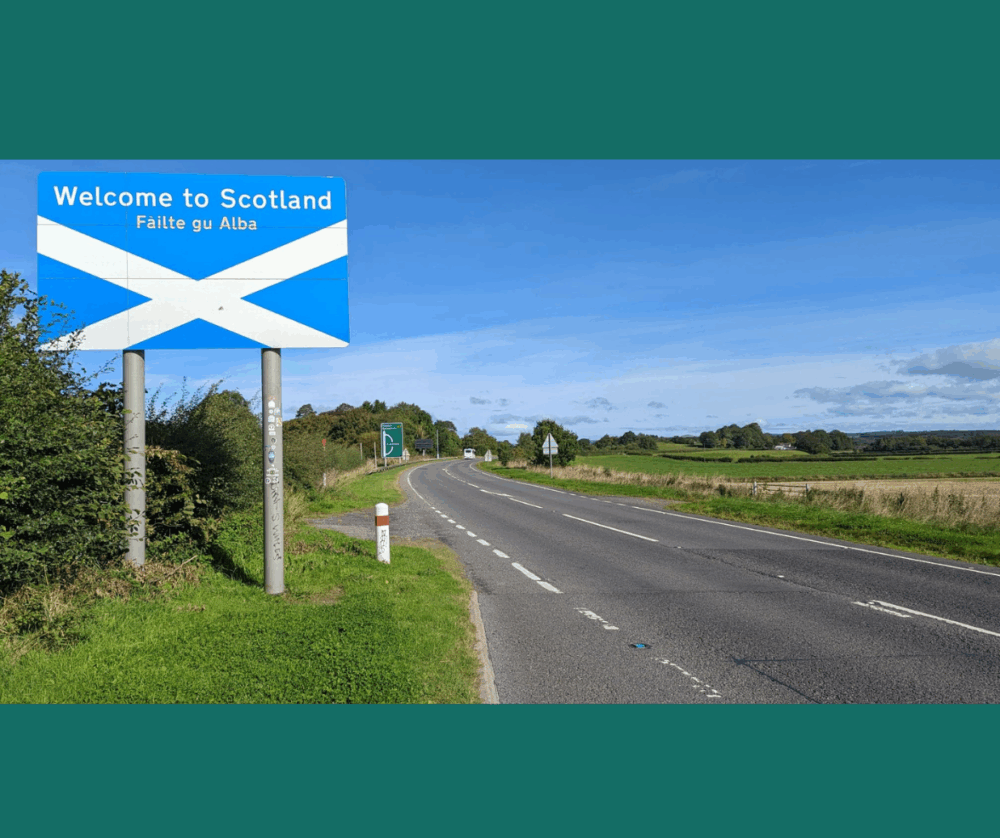
The designation forms part of a range of measures that came into effect through the Scottish Languages Act 2025.
These include powers for ministers to commission research into the use of Gaelic and Scots and establish teaching standards for the languages.
Other measures of the Act include:
Deputy First Minister Kate Forbes said:
“St Andrew’s Day is a fitting time to celebrate Scotland’s identity by recognising Gaelic and Scots as official languages. This is a historic milestone which acknowledges the vital place these languages hold in Scotland’s culture and heritage.
“This has been made possible through the Scottish Languages Bill which received unanimous support from MSPs.
“To support the continued growth of both languages the Scottish Government has already allocated £35.7 million for Gaelic and Scots initiatives this year, ensuring that this milestone translates into meaningful change for communities across the country.”
Background
The Scottish Languages Bill was introduced on St Andrew’s Day in 2023. The Bill was passed in June and received Royal Assent on 1 August 2025.
The first set of commencement regulations, the legal instrument by which sections of the Scottish Languages Act become law, were laid before the Scottish Parliament on Thursday 13 November 2025. These first set of regulations bring into force a range of sections of the Act today (30 November 2025), including provisions that grant official status to Gaelic and Scots. A full list of the sections being commenced can be read online. Other provisions within the Scottish Languages Act will become law through a planned programme of implementation.
The Act is available online.
Census statistics show that 130,161 people in Scotland had some Gaelic skills in 2022, an increase of 43,105 from 2011. The census shows that 2,444,659 people in Scotland had some Scots skills in 2022, an increase of 515,215 from 2011.
Fhad ’s a tha daoine air feadh na h-Alba a’ comharrachadh Latha Naomh Anndrais, tha Gàidhlig agus Albais air inbhe oifigeil fhaighinn.
Tha an t-urram seo na phàirt de shreath de cheumannan a tha gan cur an gnìomh an-diugh tro Achd nan Cànan Albannach 2025.
Nam measg, tha cumhachdan aig ministearan gus rannsachadh a cheadachadh air cleachdadh na Gàidhlig agus na h-Albais, agus bun-inbhean teagaisg a stèidheachadh dha na cànain.
Am measg ceumannan eile an Achd:
Thuirt an Leas-Phrìomh Mhinistear, Ceit Fhoirbeis:
“’S e Latha Naomh Anndrais àm iomchaidh airson fèin-aithne na h-Alba a chomharrachadh tro bhith ag aithneachadh Gàidhlig agus Albais mar chànain oifigeil. ’S e clach-mhìle eachdraidheil a tha seo a dh’aithnicheas an t-àite fìor chudromach a th’ aig na cànain seo ann an cultar agus dualchas na h-Alba.
“’S ann air sàilleibh Bile nan Cànan Albannach a bha seo comasach, ’s e air taic aon-ghuthach fhaighinn bho BhPA.
“Airson taic a chumail ri fàs leantainneach an dà chànain, tha Riaghaltas na h-Alba air £35.7 millean a thoirt do dh’iomairtean Gàidhlig agus Albais mar-thà am-bliadhna, airson a bhith cinnteach gum bi atharrachaidhean brìoghmhor an lùib na cloiche-mìle seo do choimhearsnachdan air feadh na dùthcha.”
Cùl-fhiosrachadh
Chaidh Bile nan Cànan Albannach a thoirt a-steach air Latha Naomh Anndrais ann an 2023. Fhuair am Bile aonta bhon Phàrlamaid san Ògmhios, agus fhuair e Aonta Rìoghail air a’ chiad latha dhen Lùnastal 2025.
Chaidh a’ chiad seata de riaghailtean-tòiseachaidh – sin an ionnsramaid reachdail leis an tèid earrannan Achd nan Cànan Albannach nan lagh – a chur air beulaibh Pàrlamaid na h-Alba air Diardaoin, an 13s latha dhen t-Samhain 2025. ’S ann an-diugh (an 30mh latha dhen t-Samhain 2025) a tha a’ chiad seata seo de riaghailtean a’ cur an gnìomh sreath de dh’earrannan an Achd, nam measg ullachaidhean a bheir inbhe oifigeil dhan Ghàidhlig agus do dh’Albais. Gabhaidh liosta iomlan dhe na h-earrannan leis a bheilear a’ tòiseachadh a leughadh air loidhne. Thèid ullachaidhean eile ann an Achd nan Cànan Albannach nan lagh tro phrògram coileanaidh planaichte.
Tha an t-Achd ri fhaotainn air loidhne.
Tha àireamhan a’ chunntais-shluaigh a’ sealltainn gun robh beagan sgilean Gàidhlig aig 130,161 neach ann an Alba ann an 2022, àrdachadh de 43,105 neach bho 2011. Tha an cunntas-sluaigh a’ sealltainn gun robh beagan sgilean Albais aig 2,444,659 neach ann an Alba ann an 2022, àrdachadh de 515,215 neach bho 2011.
The Gaelic and Scots languages hae been gien official status as fowk aw ower Scotland celebrate St Andra’s Day.
Their clessin as sic is pairt o a hantle o meisurs comin intae effect the day through the Scottish Languages Act 2025.
These include pouers for ministers tae speir for research intae the uise o Gaelic and Scots and tae set oot teachin staundarts for the languages.
Ither meisurs o the Act, forby:
allouin parents tae speir for a Gaelic schuil tae be set up in their area
Depute First Minister Kate Forbes said:
“St Andra’s Day is a fittin time tae celebrate Scotland’s identity by takkin tent o Gaelic and Scots as official languages. This is a historic milestane that kythes the vital place these languages haud in Scotland’s culture and heritage.
“This has been makkit daeable through the Scottish Languages Bill that wis gien unanimous support frae MSPs.
“Tae uphaud the ongawin growth o baith languages the Scots Government has awready set forrit £35.7 million for Gaelic and Scots ploys this year, makkin siccar that this milestane translates intae mensefu chynge for communities aw ower the country.”
Backgrun
The Scottish Languages Bill wis set oot on St Andra’s Day in 2023. The Bill wis passed in June and gien Royal Assent on 1 August 2025.
The first set o commencement regulations, the legal instrument through which pairts o the Scottish Languages Act become law, were pit afore the Scots Pairliament on Thursday 13 November 2025. These first set o regulations bring intae effect a hantle o pairts o the Act the day (30 November 2025), includin ettles that gie official status tae Gaelic and Scots. A full list o the pairts bein commenced can be read online. Ither provisions ‘ithin the Scottish Languages Act will become law through a planned programme o implementation.
The Act is available online.
Census statistics lat ken that 130,161 fowk in Scotland had some Gaelic skills in 2022, an uplift o 43,105 frae 2011. The census lats ken that 2,444,659 fowk in Scotland had some Scots skills in 2022, an uplift o 515,215 frae 2011.
There are many other organisations who may be offering funding that will help you, and our handy funding search tool brings them all together.