Find more funding
There are many other organisations who may be offering funding that will help you, and our handy funding search tool brings them all together.

New research by SRUC explores opportunities and evidence gaps for Scottish hemp growing.
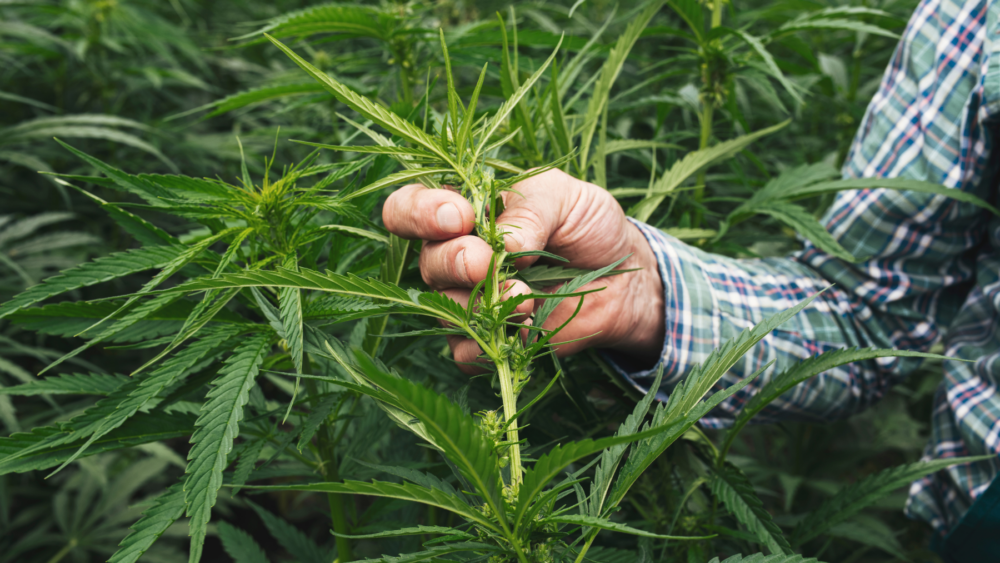
A new rapid evidence review from Scotland’s Rural College (SRUC) suggests the crop may offer opportunities for farmers and crofters looking to diversify, while also highlighting the need for more research to fully understand its benefits in Scottish conditions.
Commissioned by the Scottish Government, the review examined whether hemp cultivation could support agricultural sustainability by helping to reduce greenhouse gas emissions, improve soil health and create new income opportunities for rural businesses. Researchers explored the role hemp could play within crop rotations, including its impacts on soil carbon, nutrient requirements and the performance of subsequent crops.
The findings point to some promising possibilities. Evidence indicates that introducing hemp into a crop rotation can have positive effects on the yield of the following crop in certain circumstances, similar to the benefits provided by other break crops. There is also some evidence that hemp can help reduce weed pressure, which could be of interest to growers looking to manage crops with fewer inputs.
For rural and island communities seeking new economic opportunities, hemp’s appeal extends beyond the farm gate. The review notes that cultivation could open new markets for Scottish farmers, providing additional and diversified income streams while supporting wider discussions around sustainable land use.
However, the researchers stress that the current evidence base remains limited. The review found little evidence of significant impacts on soil organic carbon storage, nitrogen availability for following crops or soil physical improvements. Overall, there is not yet enough information to conclude that hemp performs better than other established break crops.
One of the strongest messages from the report is the need for further investigation. Researchers identified significant knowledge gaps, with only a small number of studies available for review. More data is needed to understand how different types of hemp perform in Scottish growing conditions and to assess its longer-term impacts on farm productivity and environmental outcomes.
As Scottish agriculture continues to adapt to climate, biodiversity and economic challenges, hemp remains a crop worth watching. While the evidence does not yet provide definitive answers, the review highlights its potential to contribute to future farming systems and underlines the importance of continued research to help farmers, crofters and rural businesses make informed decisions.
You can find the full review at The potential impacts of Scottish hemp cultivation: a rapid evidence review – Scotland’s Rural College (SRUC)
There are many other organisations who may be offering funding that will help you, and our handy funding search tool brings them all together.