Find more funding
There are many other organisations who may be offering funding that will help you, and our handy funding search tool brings them all together.

Portuguese recovery scheme highlights the importance of protecting farms and food supply chains as extreme weather events become an increasing challenge for rural communities across Europe.
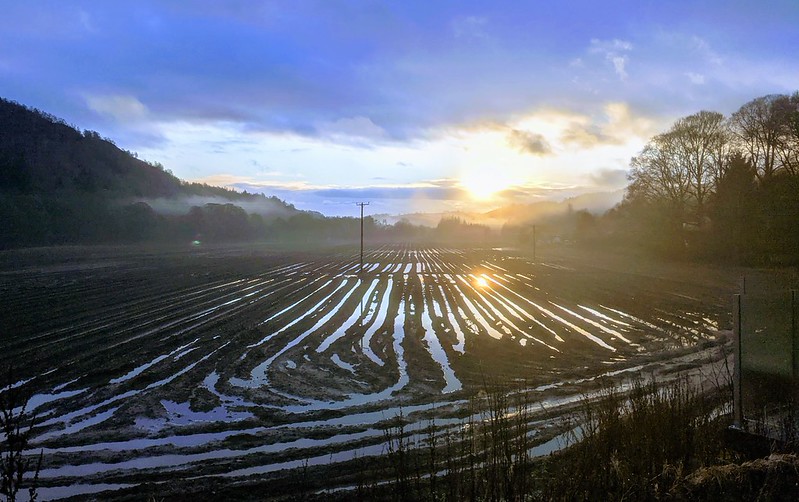
A recent example of good practice published by the EU CAP Network showcases how Portugal has used its CAP Strategic Plan emergency mechanisms to help farms restore productive capacity following extreme weather. The scheme was activated after a series of adverse climatic events in early 2026, including Storm Kristin and the Leonardo and Marta weather depressions.
What makes the initiative particularly relevant is its recognition that the impacts of extreme weather extend beyond individual farms. Damage to agricultural production can affect processors, retailers, workers, supply chains and consumers, creating wider risks for food security and rural economies. The programme therefore focuses not only on restoring farms but also on protecting the wider food system that depends on them.
The example offers timely food for thought for Scotland, where recent storms have once again demonstrated the exposure of rural communities and agricultural businesses to increasingly severe weather. As climate-related events become more frequent, the ability to rapidly support recovery and maintain local food production is becoming an increasingly important policy consideration across Europe.
The EU CAP Network noted that Portugal’s approach benefited from having an established recovery mechanism already in place, enabling support to be deployed quickly rather than creating a new response system after each event.
For Scotland’s rural and island communities, the example underlines the importance of resilience planning and recognising the central role that crofters and farmers play in maintaining sustainable food systems. As the effects of Storm Boelo continue to be assessed, lessons from elsewhere in Europe may provide valuable insights into how communities can better prepare for and recover from future climate-related challenges.
There are many other organisations who may be offering funding that will help you, and our handy funding search tool brings them all together.