Find more funding
There are many other organisations who may be offering funding that will help you, and our handy funding search tool brings them all together.
Scotland’s organic sector is expanding, creating new opportunities for rural and island communities.
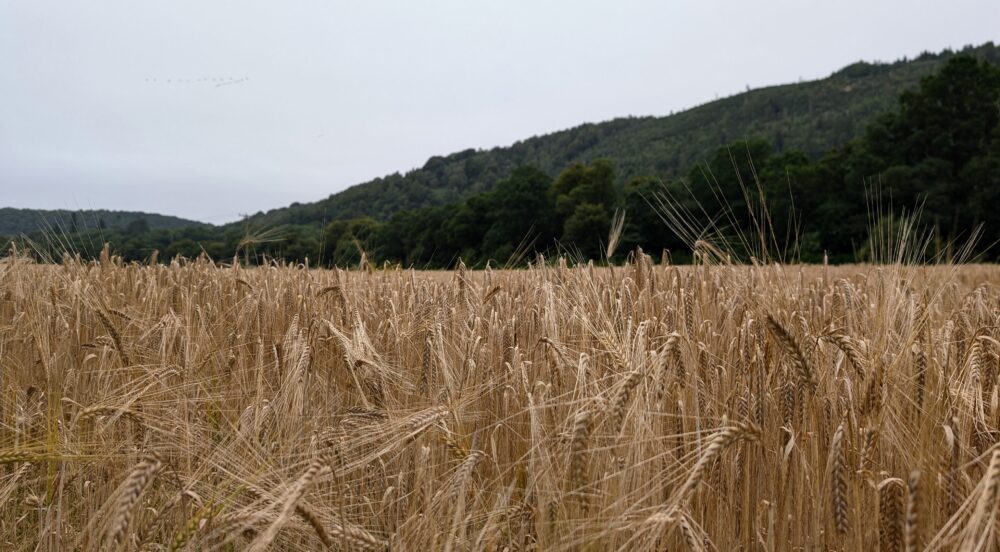
The new Organic Farming in Scotland 2025 statistics highlight a sector that is expanding rapidly, reflecting growing confidence among farmers and crofters and increasing demand for sustainably produced food. Scotland now has 168,200 hectares of organic and in-conversion land, representing 3.3% of the country’s agricultural area. The area of land managed organically has risen sharply in recent years, with the amount of land currently undergoing conversion reaching its highest level for several years.
For rural and island communities, this growth represents much more than a set of statistics. Organic farming supports diverse agricultural businesses, encourages environmental stewardship, and helps build resilience within local economies. From crofting communities in the Highlands and Islands to family farms across rural Scotland, organic production offers opportunities to add value to locally produced food while protecting the natural assets that make these places unique.
The figures show that Scotland’s organic sector is continuing to diversify. Cereals, vegetables and other arable crops remain important parts of organic production, while organic livestock farming continues to play a significant role. Nearly 35,000 cattle were reared organically in 2025, demonstrating the ongoing contribution of livestock producers to Scotland’s organic success story.
The strong increase in land entering organic conversion is particularly encouraging. Conversion is often viewed as a long-term investment, requiring commitment and careful planning. The growth in the number of hectares entering this process suggests farmers and crofters are looking ahead with confidence and recognising the economic and environmental benefits that organic systems can provide.
For Scotland’s islands, where farming and crofting are at the heart of many communities, organic production can help strengthen local food systems and support thriving rural businesses. Organic farming often aligns closely with existing low-intensity farming practices found in many island areas, creating opportunities for producers to access premium markets while maintaining traditional ways of working with the land.
Organic farming also contributes to wider ambitions around biodiversity, soil health and climate resilience. By working with natural processes, organic producers help enhance habitats, support wildlife and build healthy soils that can better withstand changing weather patterns. These benefits are especially valuable for rural communities that depend on healthy landscapes for agriculture, tourism and local wellbeing.
The latest statistics underline the continued momentum behind Scotland’s organic sector. As more land enters conversion and more businesses embrace organic production, rural and island communities are well placed to benefit from the opportunities this growth brings. From supporting local jobs and businesses to helping safeguard Scotland’s natural environment, organic farming is playing an increasingly important role in shaping a sustainable future for rural Scotland.
The full statistical publication is available with additional regional tables.
There are many other organisations who may be offering funding that will help you, and our handy funding search tool brings them all together.