Find more funding
There are many other organisations who may be offering funding that will help you, and our handy funding search tool brings them all together.

Investigation finds a difficult birth, strong social bonds and challenging coastal conditions contributed to the 2023 tragedy.
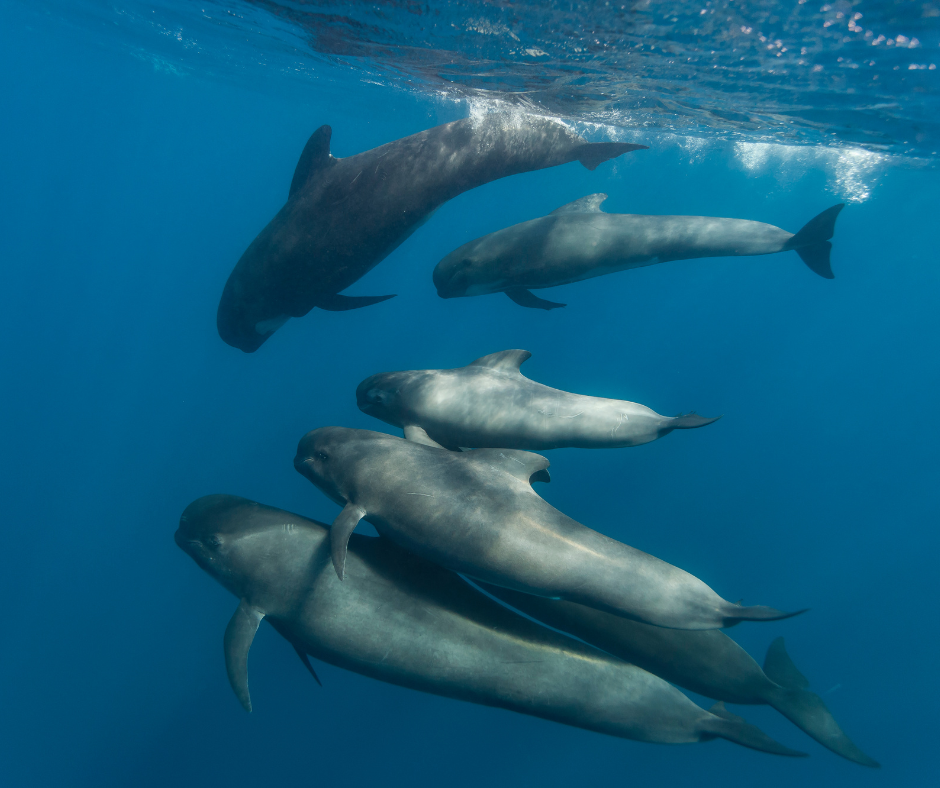
Long‑finned pilot whales are known for having some of the highest stranding rates of any cetacean species worldwide. Their strong social bonds and matrilineal group structure, while central to their survival, can also make them vulnerable to collective strandings when one individual becomes distressed. These events often attract significant public attention and provide valuable scientific insight into a deep‑water species that is otherwise difficult to study.
The Tolsta investigation formed part of a wider, multidisciplinary effort following two major pilot whale strandings in Scottish waters in 2023 and 2024. Researchers carried out extensive necropsies and laboratory analyses on the whales involved. The examinations found that the animals were generally in good health, with strong nutritional condition despite no recent feeding. No major diseases were detected, and viral infections were ruled out. Bacterial findings were considered incidental, and parasite levels were typical for the species.
Some whales showed elevated levels of heavy metals, but scientists concluded that these were unlikely to have contributed directly to the stranding. Tests also confirmed that algal toxins were not present.
Environmental conditions at Tolsta Bay were identified as a potential contributing factor. The bay’s shallow, steeply shelving seabed, combined with onshore winds at the time of the incident, may have hindered the pod’s ability to navigate safely. Pilot whales typically inhabit deep offshore waters, and sightings in the inshore waters of the Northern Minch are rare. Their presence in the area was therefore considered highly unusual.
One of the most significant findings was evidence of dystocia—a difficult or obstructed birth—in a mature female whale. Investigators believe this may have acted as a social trigger, with the pod following the distressed female into shallow water due to their strong cohesion. Once close to shore, the whales became trapped by surf conditions and soft sand, making it impossible for them to refloat. Drowning was identified as the primary cause of death for many of the animals.
The report also examined whether human‑generated underwater noise could have played a role. While pilot whales are known to respond strongly to both natural and anthropogenic disturbances, a separate acoustic analysis—conducted using hydrophones deployed near the site—has been published to assess any potential links.
Overall, the investigation highlights the importance of an integrated ecological approach, combining health assessments, disease screening, toxicology, environmental analysis and behavioural science. Researchers say the findings will help improve understanding of the factors that influence pilot whale strandings and contribute to broader knowledge of the species’ ecology.
There are many other organisations who may be offering funding that will help you, and our handy funding search tool brings them all together.