Find more funding
There are many other organisations who may be offering funding that will help you, and our handy funding search tool brings them all together.

Calls for better face-to-face banking in rural areas, after warnings that branch closures, poor transport and digital connectivity are limiting access to essential services.
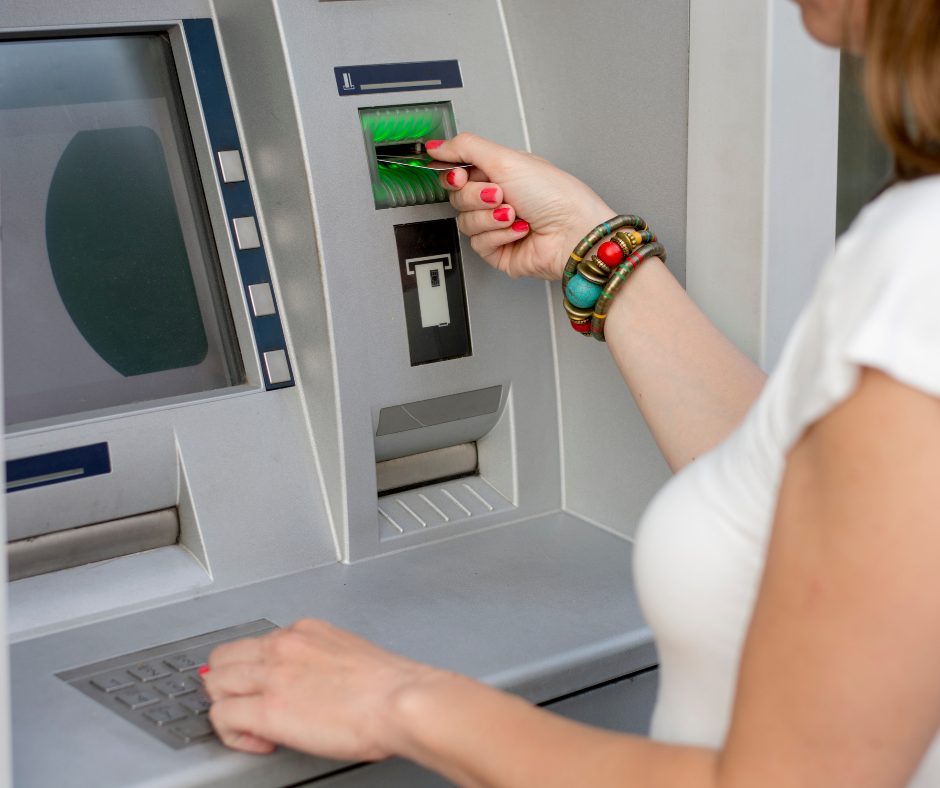
A Westminster Hall debate last month heard that more than 6,000 bank and building society branches have closed over the past decade, with MPs arguing that the impact can be particularly acute in rural areas.
A key issue was the distinction between access to cash and access to wider banking services. While current legislation protects access to cash, MPs highlighted the continuing need for face-to-face assistance with bereavement, fraud and scams, powers of attorney and complex transactions. Rural businesses may also need somewhere accessible to deposit takings and obtain change.
Graham Leadbitter MP highlighted the scale of the challenge facing some rural residents, telling the debate that communities in his constituency are as far as 65 miles from their nearest bank branch.

MPs also questioned whether current criteria for assessing the need for banking hubs adequately reflect rural geography. Factors such as distance, limited public transport and the role market towns play in providing services to surrounding villages can all influence whether an alternative service is genuinely accessible.
The issue comes as the Government’s independent Access to Banking Services Review considers whether changes in access to in-person banking are causing harm, who is most affected and whether existing alternatives are meeting people’s needs.
The review is due to report in October. The debate heard that more than 280 banking hubs have been announced, with 240 already open, as the Government works towards its commitment of 350 hubs by the end of this Parliament.
For rural communities, the review represents an opportunity to look beyond the availability of cash and consider what meaningful access to banking actually means. Distance, transport, digital connectivity and access to appropriate face-to-face support will all be important in ensuring rural residents and businesses are not left behind.
Read the original article: Rural Banking: Access Beyond Cash – Rural Services Network
There are many other organisations who may be offering funding that will help you, and our handy funding search tool brings them all together.