Find more funding
There are many other organisations who may be offering funding that will help you, and our handy funding search tool brings them all together.

Minister calls for coordinated UK‑wide efforts to protect peatlands, accelerate the shift to peat‑free horticulture and support climate, nature and rural community goals.
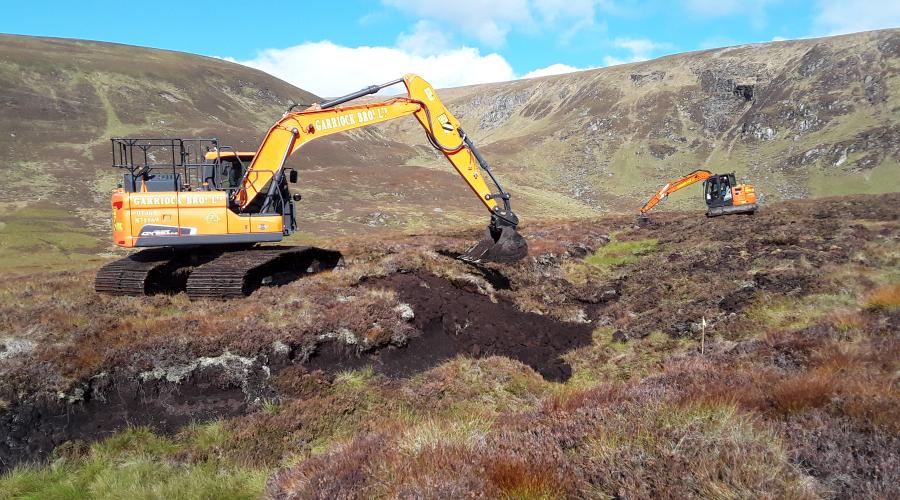
The call comes in a formal letter from Jim Fairlie, Minister for Agriculture and Connectivity to DEFRA, emphasising the need for coordinated UK‑wide action to safeguard one of Scotland’s most important natural assets.
Peatlands are among Scotland’s most valuable ecosystems. Covering more than 20% of the country’s land area, they are internationally recognised for their ecological significance and their vital role in regulating water, supporting biodiversity and storing carbon. As the largest natural terrestrial carbon store in Scotland, healthy peatlands lock away vast amounts of carbon accumulated over thousands of years. When degraded, however, they release carbon back into the atmosphere, contributing to climate change and reducing their ability to support wildlife and manage water flow.
According to guidance from the Farm Advisory Service, peatlands also help reduce flood risk, limit the spread of wildfires, and support rural livelihoods through agriculture, recreation and tourism. Much of Scotland’s peatland lies on agricultural land, making its protection and restoration central not only to environmental goals but also to the resilience of rural economies. Peat forms slowly—just one metre can take a thousand years to develop—making its preservation essential for future generations.

In his letter to DEFRA, Mr Fairlie stresses that ending the use of horticultural peat is a key step in protecting these fragile landscapes. Peat extraction for horticulture damages peatland habitats, undermines restoration efforts and contributes to carbon emissions. Scotland has already committed to ending the sale of peat for horticultural use and is working closely with growers, retailers and environmental organisations to support a smooth transition to sustainable alternatives.
The letter highlights that many horticultural businesses are already adopting peat‑free growing media, demonstrating that viable alternatives exist and are becoming more widely available. A coordinated UK‑wide approach, the Scottish Government argues, would provide clarity for producers, ensure consistency across markets and accelerate progress towards shared climate and biodiversity goals.
Mr Fairlie also emphasises that protecting peatlands aligns with the Scottish Government’s broader environmental commitments, including ambitious net‑zero targets and its ongoing programme of peatland restoration. Restoring degraded peatlands is one of the most cost‑effective nature‑based solutions for reducing emissions, enhancing biodiversity and improving water quality.
Mr Fairlie noted that peatlands are “precious natural assets” and that ending horticultural peat use is a necessary step in ensuring they continue to deliver benefits for climate, nature and communities. The letter calls on the UK Government to match Scotland’s ambition and work collaboratively to phase out peat use across the horticulture sector.
DEFRA is expected to consider Scotland’s request as part of its ongoing review of peat policy. The Scottish Government has signalled its willingness to work jointly on developing a clear, fair and effective transition plan that supports growers while protecting the environment.
There are many other organisations who may be offering funding that will help you, and our handy funding search tool brings them all together.