Find more funding
There are many other organisations who may be offering funding that will help you, and our handy funding search tool brings them all together.

Agriculture Minister urges vigilance as authorities respond to separate incidents in Dumfries and Galloway
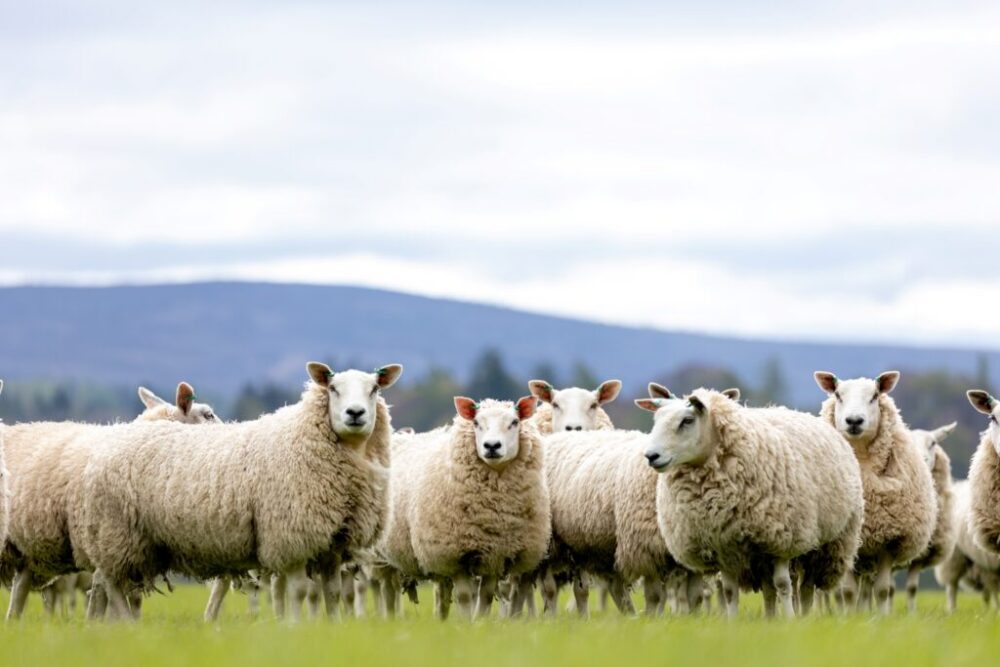
The Bluetongue Control Zone was established after a case of the disease was detected near Lockerbie. The temporary measures mean movements of cattle, sheep and other susceptible ruminants into or out of the zone can only take place under licence, while increased surveillance and testing are carried out in the surrounding area.
Announcing the restrictions, Mr Fairlie said:
“The recent detection of bluetongue near Lockerbie, combined with the rapid rise in cases across the rest of the UK, means we must act now to strengthen our protections and minimise risk.” He added that the measures would provide time for further investigations and for vaccine uptake levels to increase across susceptible livestock.
The Minister acknowledged the impact on affected farmers, saying:
“I recognise the significant impact this news will have on farmers and the wider industry in the area, and I do not underestimate the pressure this places on those affected.”
He said the Scottish Government would work with industry to ensure measures remain proportionate while the situation is kept under review.
From 22 August, livestock travelling from Scotland to the Bluetongue Restricted Zone elsewhere in the UK must return on the same day, replacing the existing four-day allowance. From 10 September, susceptible livestock moving into Scotland from a restricted zone will be required to be vaccinated, with limited exemptions. Mr Fairlie described vaccination as “our best long-term defence” and urged farmers to discuss the issue with their vets and place vaccine orders promptly.
The announcement came a day after the Scottish Government confirmed a case of classical BSE in a cow on a farm in Dumfries and Galloway. Precautionary movement restrictions have been placed on the animal’s offspring and “cohort” animals while investigations into the source of the disease continue.
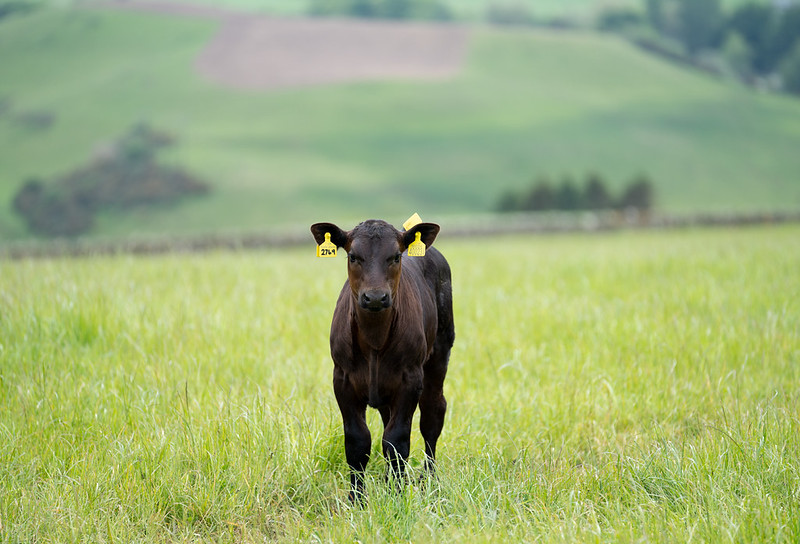
Mr Fairlie said authorities had acted “swiftly and decisively” following the diagnosis and stressed that Scotland’s disease surveillance system had worked as intended. He said:
“The fact we identified this isolated case so quickly is clear proof that our surveillance system for detecting this type of disease is working effectively.”
He also thanked the animal’s owner, whose swift action allowed identification and immediate isolation, minimising its impact on the wider industry.
Officials have confirmed that the affected animal did not enter the human food chain and that there is no risk to human health from the isolated BSE case. Authorities emphasised that strict animal health and food safety controls remain in place as they continue to investigate both incidents.
More info here:
There are many other organisations who may be offering funding that will help you, and our handy funding search tool brings them all together.