Find more funding
There are many other organisations who may be offering funding that will help you, and our handy funding search tool brings them all together.

New Scottish Government statistics highlight emissions trends, progress, and challenges for rural, agricultural and island communities.
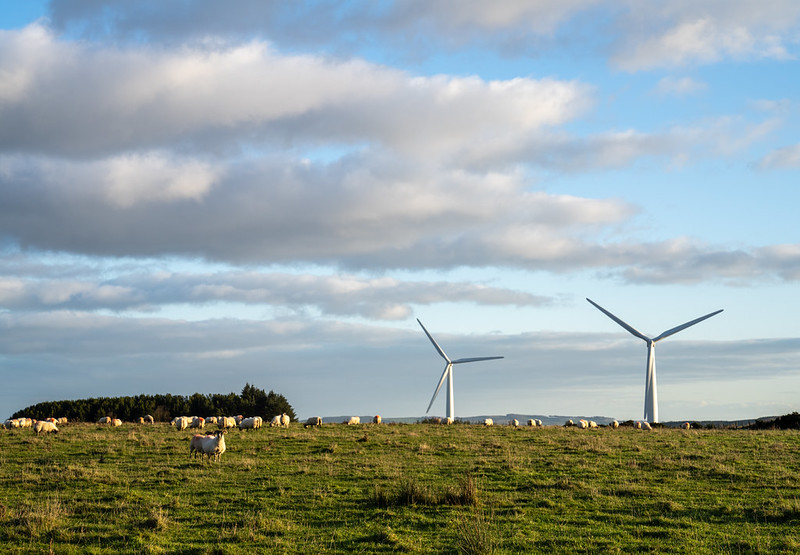
Together, they offer valuable insights for rural and island stakeholders, particularly those involved in farming, land use, energy, and community-led climate action.
The three publications, ‘Scotland’s Carbon Footprint: 1998–2022’, ‘Agriculture emissions at second-lowest level since 1990’ and ‘Scottish Greenhouse Gas Statistics 2024’ provide complementary perspectives on Scotland’s emissions. These include:
Presenting to the Scottish Parliament (9 June 2026) to discuss Scotland’s progress in greenhouse gas emissions reduction, Cabinet Secretary for Climate Action and Rural Affairs Gillian Martin said:
“I am acutely aware of the responsibility we all have to limit and mitigate the impacts of climate damage and to take effective action on its causes. These impacts are felt by people both at home and abroad.”
Adding, “Climate action is not just about reducing emissions. It is also an economic, social and health opportunity – it will make people’s lives better. It is creating thousands of jobs with many more to come, it will provide warmer homes, it has huge potential to reduce the cost of living, and it will strengthen the resilience of communities to not only protect themselves against the impacts of climate change, but also make their neighbourhoods nicer places to live.”
Agriculture is at the heart of Scotland’s net zero journey, a contributor to emissions, but also uniquely positioned to help remove carbon, support rural economies, and deliver climate solutions on the ground.
Farmers and crofters face significant challenges in reducing emissions as many of the gases produced in agriculture, such as methane and nitrousoxide, are inherently difficult to manage. Livestock systems remain a major source of these emissions, meaning that reducing them without impacting productivity is complex. At the same time, farmers must continue producing food efficiently, balancing climate goals with economic viability and, in many cases, long-standing cultural and land-use practices.
Climate change is already affecting farming through more extreme weather, making long-term planning more difficult. Farmers also need to develop new knowledge, such as carbon management and precision agriculture, and operate within wider supply chains that may not yet reward low‑carbon production. Together, these pressures mean that achieving net zero requires not only changes in farming practice, but strong support, clear policy and a fair transition for rural communities.
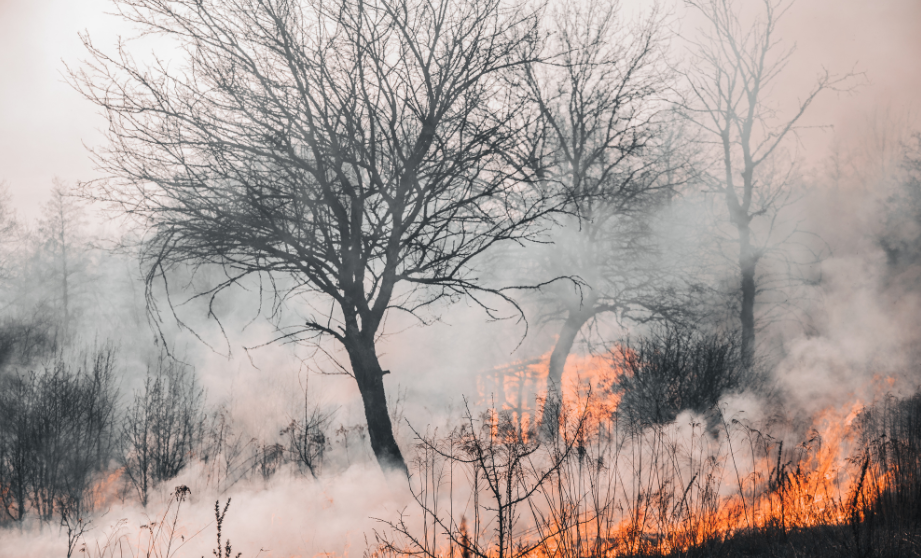
Financial pressures also present a major barrier. Moving toward low‑carbon farming often requires investment in new equipment, infrastructure and skills, while farm incomes can be uncertain and margins tight. To support this, the policy landscape is changing, with new schemes, conditions and reporting requirements being introduced.
Scotland’s approach to net zero agriculture combines legislation, funding and practical guidance to support change across the sector. The Agriculture and Rural Communities (Scotland) Act 2024 and Agricultural Reform Route Map set the direction, while schemes like AECS and investment funding help farmers adopt low‑carbon practices.
We’ve highlighted five key aspects of each publication below:
You can find the full reports at the following links:
There are many other organisations who may be offering funding that will help you, and our handy funding search tool brings them all together.