Find more funding
There are many other organisations who may be offering funding that will help you, and our handy funding search tool brings them all together.

Research shows climate change is increasing the risk of drought, placing greater strain on drinking water supplies, agriculture and the natural environment.
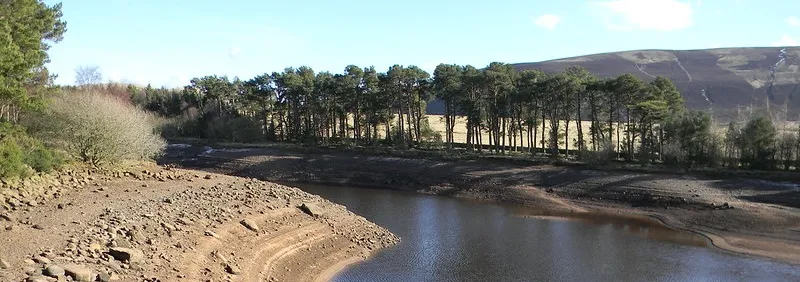
Research led by the James Hutton Institute, supported by Biomathematics and Statistics Scotland (BioSS) and the Scottish Environment Protection Agency (SEPA), has highlighted the need for stronger drought resilience and long-term water planning.
The project evaluated Scotland’s Drought Risk Assessment Tool (DRAT), which helps SEPA identify and respond to severe drought events. Researchers found the assessment tool is providing valuable evidence to support decision-making under Scotland’s National Water Scarcity Plan and improve preparedness for future water shortages.
Analysis of new daily water abstraction data from SEPA and Scottish Water revealed that public drinking water supplies account for most of Scotland’s consumptive water use. The study also found that by 2050 hydrological droughts are likely to occur around twice as often and last longer than they do today, with climate change identified as the main driver rather than increased demand alone.
The findings come amid growing concern about the wider challenges facing Scotland’s water industry. According to a Scottish Parliament Information Centre (SPICe) briefing, climate change, shifting population patterns, rising consumption and pressure on ageing infrastructure are creating an increasingly complex environment for water management. Scotland is expected to experience warmer, wetter winters and hotter, drier summers, increasing the likelihood of both droughts and extreme rainfall events.
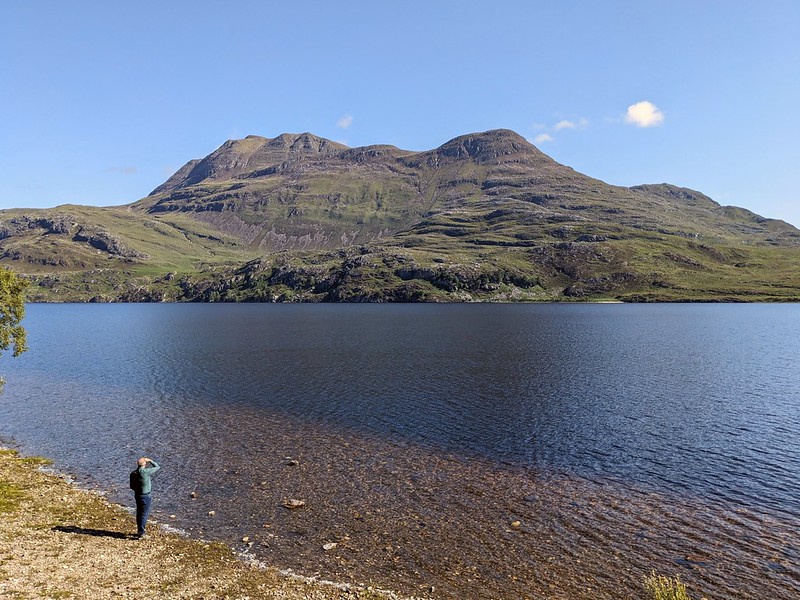
SPICe notes that extreme drought events are projected to become significantly more frequent, while the Scottish Government has warned that more than half of Scotland’s population could be at risk of water scarcity during very dry periods by 2050. Recent dry conditions have already led to water scarcity warnings in parts of eastern Scotland.
SEPA defines water scarcity as a situation where there is insufficient water in the environment to meet the needs of people, businesses and nature. Prolonged periods of low rainfall can reduce river flows, lower groundwater levels and place stress on ecosystems and water supplies. Water scarcity does not necessarily mean water will run out, but it can require careful management of available resources.
Experts say the latest drought vulnerability research provides important evidence to help Scotland adapt to a changing climate. By improving understanding of future risks and strengthening water resilience planning, policymakers and water managers hope to safeguard communities, agriculture, industry and the natural environment against more frequent periods of water stress.
You can find out more about water scarcity and how you can reduce your water consumption at the links below.
Main image: Harlaw Reservoir – Pentland Hills by Jamie Wilson on flickr
There are many other organisations who may be offering funding that will help you, and our handy funding search tool brings them all together.