Find more funding
There are many other organisations who may be offering funding that will help you, and our handy funding search tool brings them all together.

Edinburgh scientists shaping international conservation.
Scientists at the Royal Botanic Garden Edinburgh, the University of Edinburgh and NatureScot created the low-cost tool for tracking the genetic diversity of wild species, which has traditionally been difficult and expensive to monitor.
It scores how well species threats are being managed, and the conservation actions in place, from the work of land managers to conservation efforts in botanic gardens and zoos.
First published in 2020, the scorecard has already given animals and plants a better chance of coping with changing weather, new diseases and food shortages.
It has since been updated and expanded to cover a wider range of terrestrial animals, plants and fungi, and the latest version, reflecting new research, now extends that protection to marine species for the first time.
Maintaining genetic diversity is vital for nature’s survival. Helping species adapt to change helps give us things we need, such as food to eat and materials to build with, and can even help soak up pollution from the air.
The Scottish approach is already being used for species management in South Africa, and in a joint project with the University of Benghazi in Libya. A site-based version has also been developed, working with farmers and land managers in Scotland, Libya, Mexico and Australia.
Speaking ahead of a two-day attendance at COP17 on Biodiversity in Armenia, the Cabinet Secretary for Climate Action and Rural Affairs Gillian Martin said:
“I want to thank the scientists at the Royal Botanic Garden Edinburgh, the University of Edinburgh and NatureScot who developed this low-cost tracking tool. The fact that this Scottish resource is now being used internationally, and can support marine species for the first time, demonstrates the global value of expertise developed here in Scotland as well as underlining just how impressive Scotland’s scientific community is.
“Biodiversity is in crisis, both globally and at home, so maintaining genetic diversity is essential if species are to adapt and survive. This innovative tool helps conservationists make better decisions in order to better protect nature.
“The groundbreaking work by Scottish scientists shows we have a strong story to tell, and we should tell it with confidence, using our voice at events like COP17 to push for ambitious biodiversity and climate action.”
Dr Isa-Rita Russo, ConGen Africa, an initiative dedicated to the conservation and genetic management of African wildlife, said:
“The scorecard has been a brilliant addition to the wildlife management guidelines used across Africa. It takes complicated genetic science and turns it into something practical that conservationists can actually use day to day.
“Instead of needing specialist genetics expertise, people managing wildlife can now easily understand the genetic health of a population, spot problems early, and decide what action to take.
“This has made genetic diversity far more visible and useful in real-world conservation work across African wildlife and beyond.”
Professor Tarek Mukassabi, University of Benghazi, Libya, said:
“The Scottish scorecard has effectively helped in demonstrating genetic biodiversity in Libya. The structure and contents of the scorecard have organised scattered local biodiversity literature and guided national research to build a useful, effective national database.
“This direct, clear scorecard will help us make the right decisions about conserving biodiversity. We are now working with NatureScot to develop a site-based version of the scorecard called ‘GenDivA’. In Libya, we have conducted the first trial of GenDivA, assessing the genetic biodiversity of one of the rare native plant species of the south-eastern Mediterranean.
“The procedure was highly organised and focused, and in a short time addressed biodiversity issues that could significantly change conservation policy in the territory.”
The Conference of the Parties to the UN Convention on Biological Diversity (COP17) takes place in Armenia from 19 to 30 October 2026, bringing together governments, international organisations, scientists, civil society, Indigenous Peoples, youth and the private sector.
Genetic diversity is the variation in genetic material within and between populations of a species. It provides the raw material for adaptation and evolution, enabling species to respond to environmental changes, diseases and other pressures, thereby supporting resilience and long-term survival. The most recent genetic scorecard assessments can be found here.
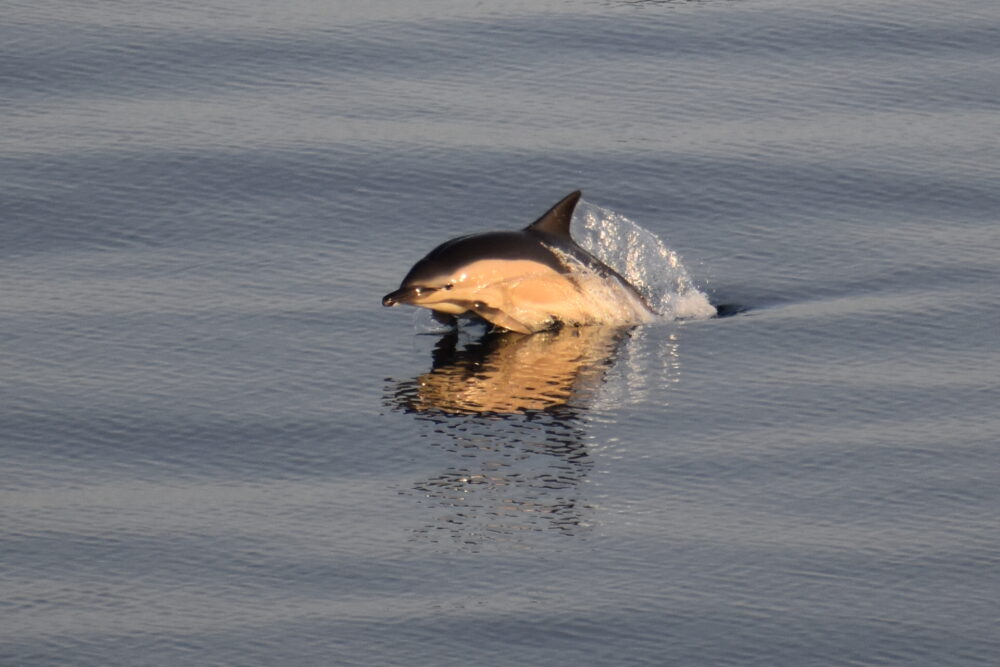
Main picture: Dolphin reflections – Common dolphin leaping. Photo by Jack Lucas, Marine Scotland
There are many other organisations who may be offering funding that will help you, and our handy funding search tool brings them all together.