Find more funding
There are many other organisations who may be offering funding that will help you, and our handy funding search tool brings them all together.

A new report names native Scottish species under threat from disease and warming climate
Royal Botanic Garden Edinburgh, University of Edinburgh and NatureScot have led the development of the most comprehensive analysis of the genetic health of Scotland’s native wild species – the key to all species being able to adapt and change in response to threats in the natural world. The Genetic Scorecard Indicator looks at the genetic diversity which underpins all living things’ ability to adapt to the effects of disease and climate change. Healthy, resilient native species provide society with food, medicine, and maintain carbon-storing ecosystems. When their genetic diversity is at risk, nature and biodiversity are also threatened.
NatureScot Biodiversity Evidence and Reporting Manager, David O’Brien said:
“The state of Scotland’s native species relies on a healthy genetic diversity within many of the public’s favourite plants, animals and fungi. Without the conservation efforts to protect genetic diversity in species like wildcats and ash trees, they will be unable to adapt to threats from non-native species, disease, climate change and pollution. This groundbreaking research is a world-leading example of scientific collaboration in Scotland informing global conservation.”
The updated analysis highlights threats to native Scottish species, such as breeding with domestic species, which has severely impacted wildcats, and the importance of new approaches to conservation, such as the recognition of sites for genetic diversity in our native trees across Scotland.
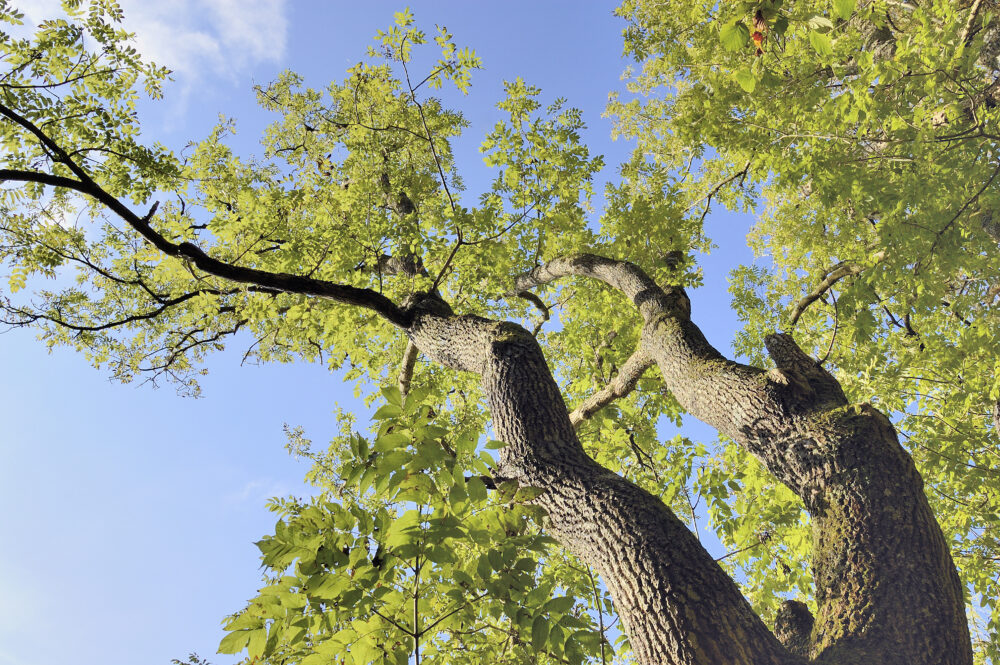
While our Scots pine population is only at moderate risk from pathogens, climate change and poor regeneration, the European Ash’s genetic health status is listed in the report as serious, with substantial mortality seeming inevitable. Severely threatened throughout the UK due to the Ash dieback pathogen first reported in 2012, the report suggests that managing populations to promote natural regeneration of the European Ash is the most effective way of achieving long-term adaptation to dieback through natural selection. Current conservation projects in Scotland include control of deer that eat ash saplings; breeding programmes to promote disease tolerance; controlled movement of nursery stocks and timber to prevent the arrival of emerald ash borer into the UK; and the designation of Gene Conservation Units.
A Scottish icon and the only remaining native British cat, the report shows that our Scottish wildcat population is under threat from interbreeding with domestic cats, which happened because persecution and habitat loss created low wildcat population numbers meaning wildcats were more likely to mate with domestic cats. Action being taken to conserve Scottish Wildcats includes the large-scale dedicated Saving Wildcats Conservation Breeding for Release Centre at Highland Wildlife Park; growing the wild population of Wildcats through release into the wild in Badenoch & Strathspey; removal of the threats facing wildcats in the Highlands and working with local communities to enhance conservation.
Other species health status highlighted within the report include puffin, great yellow bumblebee, and flame shell, which act as reefs for hundreds of other species to live on.
Royal Botanic Garden Edinburgh Director of Science and Deputy Keeper, Professor Pete Hollingsworth stated:
“Genetic diversity is of fundamental importance for nature to thrive and survive. Experts from across Scotland, the UK and further afield have worked together to deliver this assessment of genetic risks providing information to prioritise conservation action.”
University of Edinburgh Director of Conservation Science, Rob Ogden said:
“We now know that genetic variation is important in biodiversity conservation worldwide. To manage genetic diversity, we need to be able to measure it and track change over time. Our Genetic Scorecard was conceived as a Scottish solution for this but has now been designed as global tool.”
There are many other organisations who may be offering funding that will help you, and our handy funding search tool brings them all together.