Find more funding
There are many other organisations who may be offering funding that will help you, and our handy funding search tool brings them all together.

Have your say on SEPA’s proposals to strengthen Scotland’s water environment and build climate resilience.
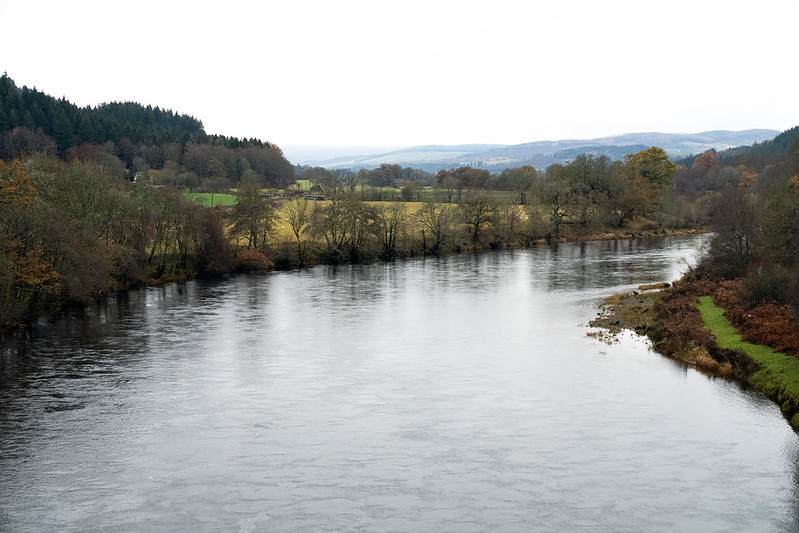
The consultation focuses on SEPA’s updated Scotland River Basin Management Plan, which sets out how Scotland will protect and improve rivers, lochs, estuaries, coastal waters and groundwater over the coming years. These plans are central to safeguarding water quality, supporting biodiversity, reducing pollution and ensuring that Scotland’s water environment remains resilient in the face of climate change.
SEPA’s latest proposals outline a series of actions designed to address pressures on the water environment, including agricultural runoff, urban pollution, invasive non‑native species and the impacts of hydropower and flood management infrastructure. The consultation also highlights the need for continued investment in nature‑based solutions, such as wetland restoration and river re‑meandering, which can improve water quality while enhancing habitats and reducing flood risk.
A key theme running through the consultation is the importance of collaboration. SEPA emphasises that improving Scotland’s water environment requires coordinated action across sectors, with communities, landowners, local authorities and industry all playing a role. The agency notes that many of the most successful water improvement projects in recent years have been driven by strong local partnerships, combining scientific expertise with community knowledge and stewardship.
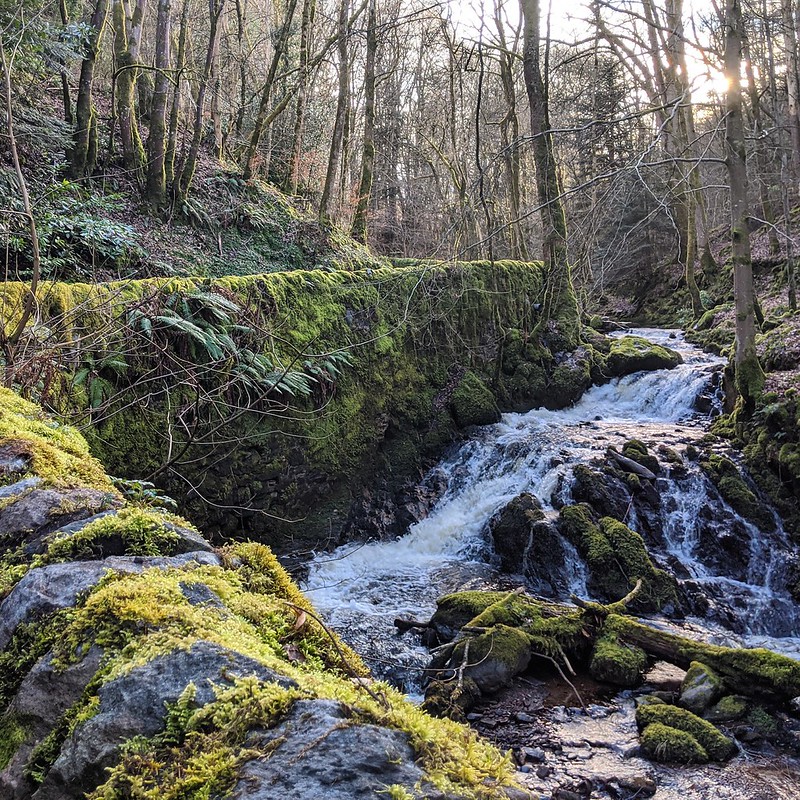
The consultation also recognises the growing challenges posed by climate change. Scotland is already experiencing more frequent heavy rainfall events, rising temperatures and changing seasonal patterns, all of which place additional pressure on rivers and lochs. SEPA’s proposals include measures to build climate resilience into water management, ensuring that ecosystems and communities are better prepared for future conditions.
For rural and island communities in particular, the health of the water environment is closely tied to local wellbeing and economic activity. Clean, well‑managed water supports agriculture, aquaculture, tourism, recreation and biodiversity, while also contributing to cultural heritage and quality of life. SEPA’s consultation seeks to ensure that these community perspectives are fully reflected in future planning.
The agency is encouraging people from all backgrounds to take part, stressing that local insights are essential to understanding how water management decisions affect daily life. Whether respondents are concerned about local flooding, water quality, wildlife, land use or recreational access, SEPA is keen to gather a wide range of experiences and priorities.
The consultation is open now, with all responses helping to shape the final River Basin Management Plan that will guide Scotland’s approach to water protection and improvement in the years ahead.
SEPA is inviting everyone with an interest in Scotland’s rivers, lochs and coastal waters to take part in the consultation. You can read the proposals and submit your response here.
Your views will help shape the future of Scotland’s water environment.
There are many other organisations who may be offering funding that will help you, and our handy funding search tool brings them all together.