Find more funding
There are many other organisations who may be offering funding that will help you, and our handy funding search tool brings them all together.

Community‑backed initiative moves closer to launch as fundraising continues
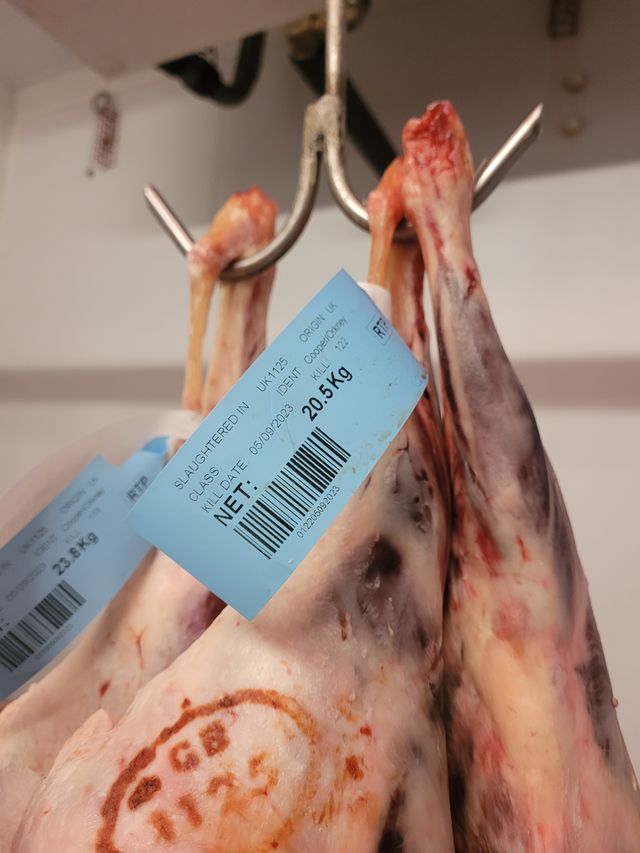
With no slaughterhouse on the Orkney since 2018, Ms Cooper has been forced to transport her animals on a ferry and then drive them to Dingwall — a seven‑hour trip in total. The mobile facility, designed specifically for on‑farm slaughter, is expected to be operational within just a few months.
“I’d rather walk them a few steps from the field and into a trailer,” she said, emphasising the significant welfare improvements the new system will bring.
The Tiny Trailer Abattoir — the first of its kind in the UK — is designed to fit onto two trailers, one unit will provide a humane slaughter facility while the second will store and chill up to 20 carcasses. The system can be operated by a single slaughterman and will be able to move between farms across Orkney and the Highlands. Each site will still need to meet full regulatory requirements and be licensed as if it were a fixed abattoir.
Recent changes allowing Scottish island abattoirs to use local vets as official veterinarians have helped make the project viable. This comes at a time when rural abattoirs across the UK are closing at an alarming rate — more than a third have shut down in the past two decades due to rising costs, staffing challenges and increased regulation.
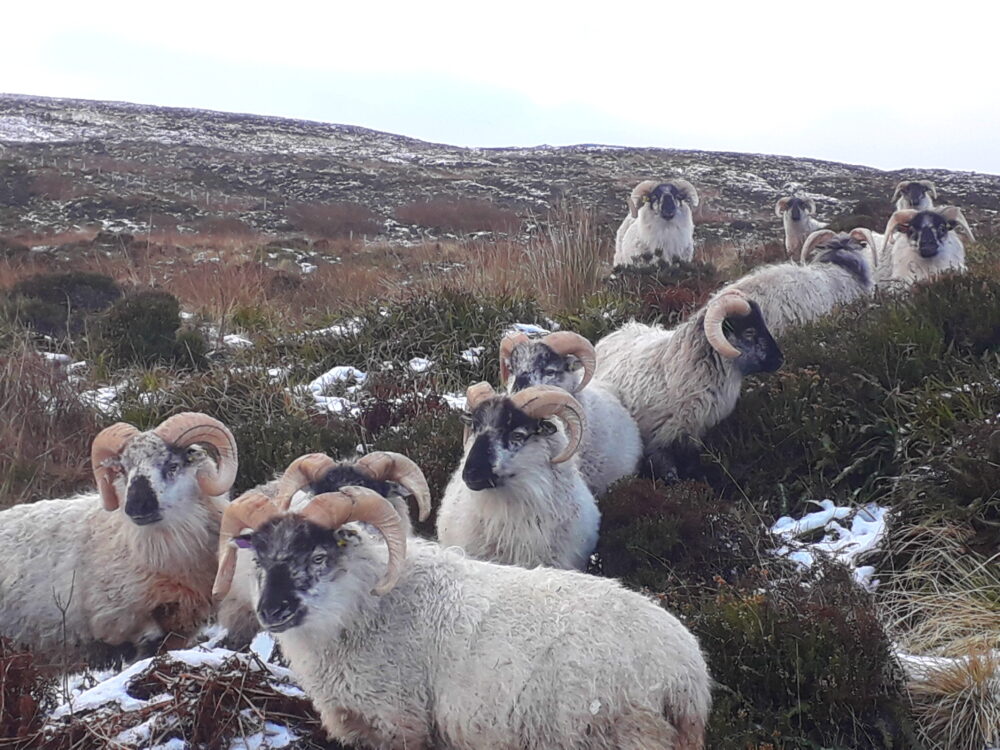
Ms Cooper, who has been breeding native Boreray sheep on her Orkney farm since 2013, is determined to protect the future of the distinctive breed. The sheep, descendants of animals from Boreray island in St Kilda, were officially recognised as a breed in their own right in 2017. Several flocks now work together through the Orkney Boreray Co‑op Ltd, which will own, operate and hire out the Tiny Trailer Abattoir on a not‑for‑profit basis.
She is personally funding up to half of the £150,000 cost, with the remainder coming from another cooperative. The trailers are expected to arrive on her farm by this spring.
The project team is also working with the Scottish Crofting Federation to produce practical guidance — both online and in print — to help crofters and farmers carry out on‑farm slaughter safely and confidently. This support aims to reduce reliance on long‑distance transport while ensuring high welfare and regulatory compliance.
Ms Cooper says the mobile system will also dramatically reduce waste. “We will be able to use many more by‑products than just the skins and horns that we collect from the abattoir,” she explained.
More than half of the total project cost has already been raised, but further funding is needed to bring the Tiny Trailer Abattoir into full operation.
Donations can be made at : https://www.peoplesfundraising.com/fundraising/the-tiny-trailer-abattoir
There are many other organisations who may be offering funding that will help you, and our handy funding search tool brings them all together.